STORIE SENZA ARCHIVI E MEMORIE POSTCOLONIALI
Un talk pubblica nell’ambito del festival Dark Matters, 25 febbraio 2024, presso Lavanderia a Vapore, Collegno (TO)
con Valerie Tameu, coreografa, danzatrice e performer
Prof. Iain Chambers, antropologo e sociologo britannico, docente di Studi culturali e media e Studi culturali e postcoloniali del Mediterraneo all’Università Orientale di Napoli
Prof. Benoit Challand, professore associato di Sociologia presso la New School for Social Research, New York
Modera Liliana Ellena, storica e ricercatrice indipendente
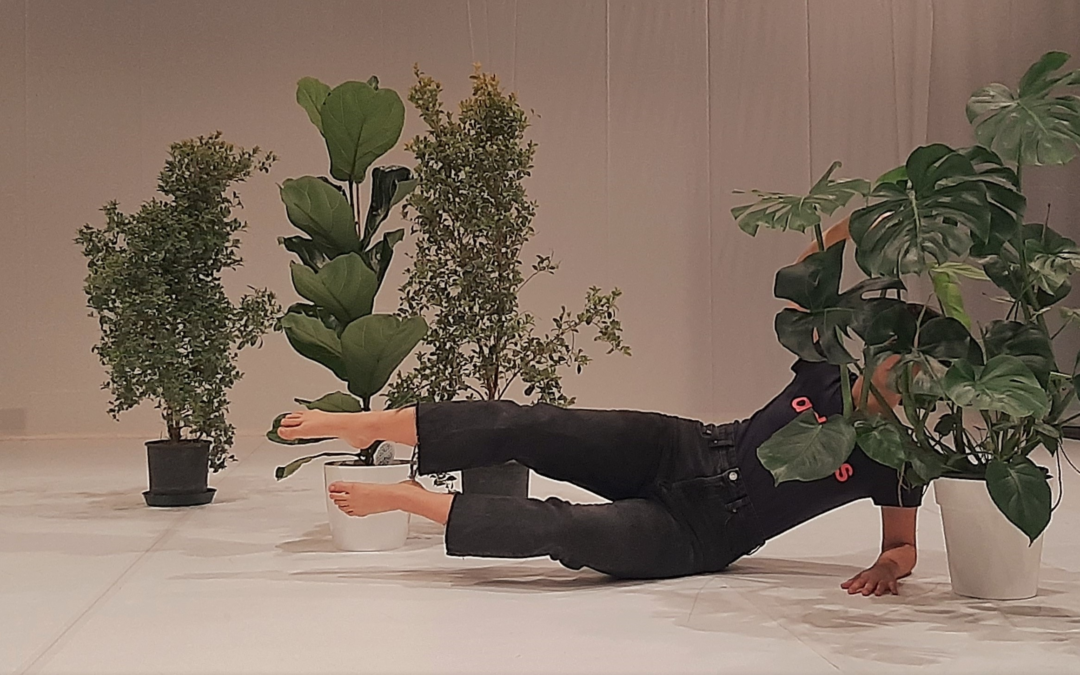
Muovendo dalla ricerca artistica “Dove Hanno tremato le Placche” di Valerie Tameu, partiamo dal potere plastico delle arti performative di rimescolare le carte e mettere in luce soggettività oscurate, per riflettere sulla costruzione coloniale degli archivi del passato e degli immaginari del presente.
Chi ha diritto ad avere diritti? Chi ha diritto alla storia? Quale “memoria” legittimare?
Attraversando la relazione problematica tra estetica, arte e razzismo, ascoltiamo voci che ci aiutano a intravedere il ruolo potenziale delle istituzioni artistiche nel farsi carico di riscrivere il futuro attraverso alleanze intersezionali, spezzando l’anestesia critica attuale verso forme di contronarrazioni, oppressioni, razzializzazioni: dalla storia della cultura black fino alla questione palestinese.
Ascolta come il podcast o leggi l’articolo qui sotto:

“Dove hanno tremato le placche” o ciò che l’archivio nasconde
Liliana Ellena_Filo conduttore (di questo incontro, ndr) è il rapporto tra pratiche artistiche e pratiche di ricerca, a partire dal titolo del lavoro di Valerie Tameu, “Dove hanno tremato le placche”; (siamo) in una sorta di zona di turbolenza che ha a che fare con un corpo a corpo con l’archivio, sia con quello che l’archivio nasconde, sia con i corpi, i suoni, le immagini sepolte nell’archivio, (aprendo) anche uno spazio di apparizione, di riappropriazione di queste tracce.
Vogliamo riflettere insieme sull’eredità nella costruzione coloniale degli archivi del passato, ma anche su come ci aiutano a collocarci e ad analizzare il presente in un momento specifico, nel qui ed ora, che ci interroga alla luce del fatto che il colonialismo non è finito.
E’ una riflessione che ci pare ancora più urgente se riferita a quello che sta succedendo, non solo dentro l’Europa, ai suoi confini, ma anche al di là del Mediterraneo, in Palestina.
Volevo citare Sarah Ihmoud, antropologa cicana-palestinese che proprio in questi giorni ha scritto, parlando del Mediterraneo: “i palestinesi continuano a prepararsi a un futuro senza colonialismo, mentre così tante potenze in tutto il mondo stanno preparando un mondo senza palestinesi”.
In questa conversazione dialogheremo con Iain Chambers, collegato da remoto, e che forse molti di noi conoscono; Iain ha insegnato Studi Culturali e Postcoloniali del Mediterraneo all’Università Orientale di Napoli per molti anni, è un ricercatore indipendente che ha scritto a lungo sul Mediterraneo pensato come un archivio liquido, e sulle tante modernità che lo abitano.
E’ poi con noi Benoit Challand, sempre da remoto. Benoit è professore associato di sociologia alla New School for Social Research di New York dove insegna teoria sociale, sociologia storica e sociologia politica; ha insegnato all’Università di Friburgo e alla Scuola Normale Superiore di Firenze, ha scritto ampiamente su molti temi e in particolare anche sulla Palestina, a partire da questioni che collegano le diverse forme di partecipazione democratica, e quindi le forme di indebolimento e distruzione di questa possibilità di partecipazione.
Abbiamo pensato ad alcuni temi che legano i nostri percorsi, a un modo per entrare in questo dialogo a partire da pratiche di ricerca diverse, e a partire da quali coinvolgimenti, ma anche da quali simmetrie, nelle nostre collocazioni.
Il punto di partenza riguarda la questione del rapporto tra violenza, vulnerabilità e invisibilità, che ci pone di fronte a domande che investono non solo il nostro posizionamento critico, ma anche etico; quindi dialogheremo su come ci tocca il rapporto con l’archivio, da che punto di vista ci sentiamo implicati, sia nelle strutture del passato come nelle violenze del presente.
Il secondo punto riguarda invece il diritto all’archivio: chi decide chi entra o non entra nell’archivio? Quali sono le strutture di potere attraverso le quali l’archivio nasconde, non permettendoci di interrogare le tracce che conserva.
Vogliamo riflettere anche sulla pluralità degli archivi.
“Storie senza archivi” allude all’idea di una memoria che prende corpo anche in assenza delle forme “tradizionali” dell’archivio.
Infine la terza questione che vorremmo mantenere viva tra di noi è la seguente: che cosa significa pensare in un modo diverso al rapporto tra visibilità e invisibilità.
Non si tratta solo di portare alla luce qualcosa, infatti come possiamo mantenere il potere di scandalo di questi archivi latenti?
Cosa possiamo fare con queste tracce perché possano aprire delle diverse possibilità?
Partiamo dal dialogo con Valerie Tameu, le chiediamo di raccontarci il progetto di cui fa parte il frammento (di circa 20 minuti, ndr) che ci ha presentato oggi e che è anche il nostro punto di partenza. Vuoi raccontarci di questo rapporto intimo con l’archivio?
L’archivo dinamico
Valerie Tameu_Questo progetto nasce da una ricerca. Nel 2020 ho cominciato a raccogliere diverse tipologie di memorie all’interno dei miei archivi familiari.
Era il periodo del Covid, passavo molto tempo negli spazi chiusi e ho cominciato a svuotare cantine, soffitte, luoghi che spesso celano molte cose. Tutte queste informazioni infatti le mettiamo sempre in posti nascosti, scatole, cassetti; tirando fuori tutte le fotografie – le meno interessanti erano proprio quelle che riguardavano la mia infanzia – raccogliendo tutte queste immagini, soprattutto quindi legate all’aspetto visivo dell’archivio, ma anche registrazioni audio, sono riuscita a riempire tre stanze di fotografie, che ho disposto sul pavimento.
Tantissime fotografie, praticamente un tappeto visivo; vedendole tutte insieme mi sono resa conto prima di tutto, della quantità di memorie che si raccolgono in una vita e successivamente anche di una componente nera, di nerezza, che non è così scontata, neanche per me che sono una persona afrodiscendente.
Spesso le più interessanti erano le immagini che non riconoscevo, che venivano da un passato di persone amiche, amici dei miei genitori, situazioni dove le fotografie venivano scattate per errore. Quelle erano in assoluto le più interessanti, perché c’era un gap tra quello che io conoscevo e quello che non conoscevo, quindi quel buco lì per me era interessante.
C’era poi in gioco il tema dell’immaginazione, della memoria, che non è un deposito statico di informazioni, ma piuttosto un luogo con cui noi entriamo in contatto e che modifica quello che guardiamo, quello che tocchiamo; è sempre una relazione dinamica quella tra la memoria e il presente.
A partire da questa ricerca, mi sono chiesta perché non riuscissi a vedere certe situazioni, che non erano solo una componente personale, ma che investivano anche una componente sociale molto importante.
La mia famiglia ha fatto parte di una Torino dove c’erano lotte operaie, lotte di classe, c’erano le prime migrazioni, non solo dal Sud Italia, ma anche e soprattutto dall’estero. Diciamo che l’Italia cominciava ad accogliere persone che venivano da paesi dell’Africa subsahariana.
Mi stupiva il fatto che non riuscivo a ritrovare queste memorie anche all’interno di un discorso storico più ufficiale, ovvero dove potevo trovare un riconoscimento di quello che vedevo anche all’esterno, e che facesse parte di una storia che avrei potuto studiare quando ero più giovane, che avrei potuto riconoscere; perchè è importante riconoscersi all’esterno, avere qualcosa che ti definisce, non solo con un’accezione negativa.
E’ fondamentale ritrovare quella storia dove potersi specchiare, e dire “questo fa parte della mia storia”, è una continuità tra me e quello che c’è fuori, e con quello che c’era prima.
In seguito, grazie a un’associazione di Roma che si chiama Spazio Griot, la cui direttrice artistica e curatrice, Johanne Affricot, mi ha proposto di lavorare all’interno di un archivio storico che è quello del Polo del ‘900 qua a Torino, sono entrata in contatto con questo polo culturale che raccoglie tanti fondi archivistici.
Sono partita alla ricerca di queste tracce, di questo periodo, che riguardassero anche le persone provenienti dall’Africa subsahariana, nelle prime migrazioni su Torino e la loro implicazione nel discorso di classe, di lotte, di manifestazioni, ed è stato un lavoro complesso, perché io non sono una storica, ed essendo un’artista non sapevo orientarmi. C’erano chilometri di archivio, catalogati in modi che per me erano completamente sconosciuti, quindi alcuni archivisti mi hanno aiutato a capire come orientarmi e ho lavorato nell’archivio Gramsci, principalmente, che era quello che raccoglieva il maggior numero di queste storie.
Mi sono resa conto di una cosa che sappiamo, ma che è importante ribadire, e cioè che l’archivio non è neutro, non è universale; l’archivio è un corpo che ha una struttura che viene decisa da qualcuno, ha un sistema che viene deciso da qualcuno, quindi mettere in discussione quel sapere, quella catalogazione, è importante, perché altrimenti quello che apprendiamo risulta dato per vero, senza nessun tipo di questionamento.
Quindi ci si chiede anche la storia che cos’è? È una sola? E chi l’ha scritta, chi la racconta e in quali contesti? Quindi è da questo che nasce il lavoro.
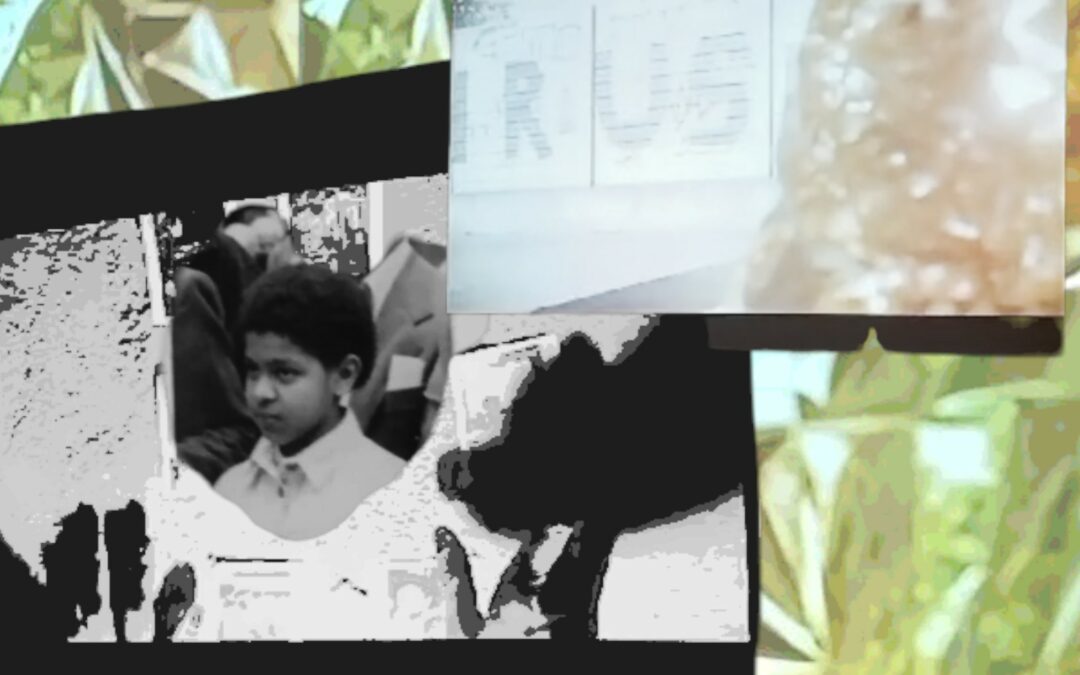
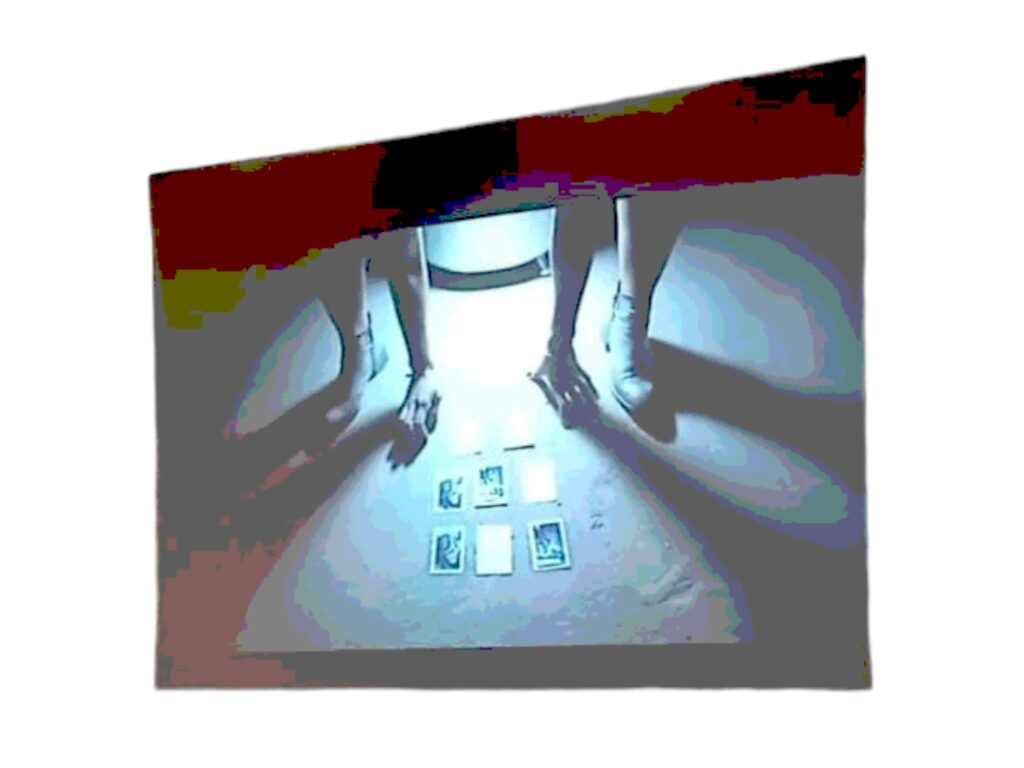
Le carte che avete visto le ho fatte fare appositamente, sono immagini mescolate, immagini che fanno parte di una storia più familiare, personale, ma anche popolare, quindi anche di persone che mi hanno dato e concesso le immagini delle loro storie, per lo più afrodiscendenti, e poi ci sono anche delle immagini che provengono dall’archivio, concesse dall’archivio Gramsci e dall’archivio Nocentini.
Queste immagini sono per lo più immagini di manifestazioni; alcune manifestazioni per il primo maggio, manifestazioni antirazziste. Ad esempio una delle prime grandi – enormi – manifestazioni antirazziste in Italia è stata quella che ha seguito l’uccisione di Jerry Maslow, un rifugiato sudafricano che è stato ucciso a Villa Literno, era un bracciante.
Si parla nel 1989, proprio quindi quando sono nata io, e questo veramente ha smosso appunto le placche. Migliaia di persone si sono spostate da Torino, da tutte le città d’Italia, a Roma, per questa manifestazione antirazzista; quindi, quello che io chiamo “miscuglio”, sottolinea il fatto che la storia è plurale, sono storie, memorie importanti, tanto quanto quelle che in qualche modo fanno parte di un’unità, che è quella della Storia, con la s maiuscola.
Quindi le immagini sono state sistematizzate in questo modo, poi ovviamente ho fatto una selezione, ho scelto quali portare, e da lì è nata questa performance che adesso sta andando avanti ed è in evoluzione, ci sono tante altre cose, c’è il corpo. Quello che abbiamo visto oggi era un piccolo estratto, con il video, che è stato commissionato dall’Istituto di Cultura di Londra.
Giocare con la Storia, con le storie
L.E._Mi è piaciuto molto questo richiamo al memory, questo discorso del gioco che ci introduce in una dimensione che è sia ironica, in questo contesto, ma che allude anche al gioco delle memorie, a come noi possiamo manipolare, nel senso di cosa possiamo fare con queste memorie.
V.T. _Il memory come gioco di carte è puntualissimo, pensavo appunto è uno dei giochi più che riguarda la memoria, un altro tipo di memoria, è un gioco ironico.
Anche rispetto a questo, c’è un discorso legato anche al futuro; quindi le carte ci portano in questa doppia relazione tra il passato, tra qualcosa che è stampato e che vediamo che è successo, e questa visione del futuro. La manipolazione allora sta proprio in questo incontro; è importante, io credo, che anche l’archivio, considerato un oggetto fermo, è sempre il risultato dell’incontro delle studiose e degli studiosi con l’archivio stesso.
Il significato di ogni cosa cambia sulla base di questo incontro, di come viene toccato e di quale significato gli viene dato.
Il nostro incontro con la memoria è importantissimo, non va sottovalutato il fatto che lo sguardo cambia rispetto alle cose, che invece sembra che rimangano sempre le stesse. Modificando il nostro sguardo c’è la possibilità di modificare anche l’archivio, perché l’archivio non è una cosa statica, a mio avviso.
L.E._Coglierei questo ponte che ci offre Valerie su come si trasforma l’archivio all’interno di pratiche diverse, quali sono le pratiche che lavorano appunto con degli archivi negati, invisibilizzati, passando la parola a Iain (Chambers, ndr) proprio su questo punto. Come entriamo in dialogo con pratiche artistiche che hanno a che fare con archivi negati?
Iain Chambers._Grazie, Liliana. Vorrei prima partire un po’ dalla tua domanda, e anche entrare nella vostra conversazione, ovvero, nella questione di come possiamo entrare in un dialogo, che è spesso strutturato in modo “asimmetrico”, con gli archivi, e come possiamo posizionarci.
Voi avete menzionato anche le questioni di chi pone le domande, chi ha il diritto di narrare, di aprire gli archivi, definirli; vorrei cercare di dire qualcosa anche sul rapporto, o gli intervalli tra il visibile e l’opaco, il non detto.
Vorrei giocare con questo titolo del nostro incontro, e di questa manifestazione, Dark Matters, con questa idea di rimescolare le carte in gioco, come Valerie ha mostrato in modo poetico; di pensare al rimescolare le carte delle archivi, e in qualche modo di parlare degli archivi negati, rifiutati, che a mio avviso non significa tanto di allargare lo sguardo per incorporare elementi che finora sono stati marginalizzati, dimenticati, rifiutati, ma apre a una pratica in cui si dovrebbe, in qualche modo, ripensare la logica che ha costruito tali archivi, permettendo che qualche conoscenza, qualche prospettiva passi e sia accettata, mentre le altre sono state rifiutate o negate.
Allora rimescolare le carte in gioco, come nell’opera di Valerie, ci permette di considerare di nuovo le premesse e i protocolli, le procedure ed i linguaggi e le discipline, anche le metodologie che fino a questo punto hanno spiegato in cosa consiste l’archivio, cosa è la memoria, cosa è la storia.
Dark Matters, in qualche modo è anche il Cuore di Tenebre dell’Occidente, l’altro lato oscuro, l’abisso, e non solo ciò che noi europei bianchi non riusciamo a vedere o sentire, ma anche ciò a cui rifiutiamo in qualche modo di rispondere, per assumere la nostra responsabilità, nel gestire, costruire ed elaborare gli archivi.
Heart of Darkness
Come hai già fatto riferimento, Liliana, quello che sta accadendo in questo momento nel Mediterraneo orientale è una questione estrema di Dark Matters, e tocca gli archivi più profondi della costituzione coloniale, della modernità occidentale.
In altre parole, non si tratta della geopolitica di un conflitto locale, ma c’è qualcosa di molto più profondo che è coinvolto.
Sebbene sembra che quello che noi vediamo in questo momento, in tempo reale, sui social, alla televisione e così via, non lo possiamo nominare o parlarne.
Allora in questo momento preciso come possiamo avere una conversazione onesta e critica senza essere accusati, non so, di antisemitismo, essere messi a tacere o puniti, quando affrontiamo quello che sta succedendo a Gaza in questo momento?
Come comprendere la continua difesa occidentale, nonostante tutte le prove su campo e sotto i nostri occhi di un sionismo coloniale, anacronistico ed etnonazionalista, in quello che un tempo era un territorio multiculturale e multireligioso?
Come rispondiamo al sostegno occidentale incondizionato a Israele, che si trova nel Medio Oriente, ma che non è apparentemente del Medio Oriente, e che assomiglia in modo piuttosto sospetto alla difesa della supremazia bianca?
Cosa dobbiamo fare per riprendere la responsabilità nel riconoscere che il colonismo, l’etnonazionalismo, il razzismo, l’antisemitismo e il sionismo, che rendono le vite palestinesi meno importanti degli altri, provengono dall’Europa?
Tornando al discorso prettamente artistico, qui lo slogan “la Palestina ci renderà liberi” ci può venire in aiuto.
E’ stata proposta due settimane fa, a Berlino, agli spettatori della performance di Tania Bruguera, la lettura de Le origini del Totalitarismo di Hannah Arendt, al Museo Hamburger Bahnhof di Berlino.
Dico questo perché in qualche modo la Palestina, e Israele, è lo specchio oscuro – il Dark Matters – dell’occidente però allo stesso tempo è anche un laboratorio della modernità, dove i fantasmi del passato coloniale, che continua ad incidere sul presente, tornano a disturbare, infestare, e sconvolgere le concezioni consolidate dei concetti come democrazia, dei diritti alla giustizia sociale e storica, e anche delle basi della pratica estetica.
La Palestina non sparirà; è la questione dei nostri tempi, e mentre brucia in questo momento illumina anche il percorso necessario di una rivalutazione radicale dei nostri concetti e dei nostri cosiddetti valori.
Storicamente in questo momento ci stiamo confrontando, in uno spartiacque, con le chiare divisioni, anche fra di noi, fra sentimenti popolari – con tutte le manifestazioni che si stanno facendo in questi giorni, in questa settimana (23 febbraio, a Pisa, Firenze, Catania, ndr) – e la linea dei nostri governi, della stampa e dei media, verso le questione palestinese.
Allora è qualcosa che tocca direttamente noi, come noi vogliamo praticare la democrazia.
Quindi l’orrore – the horror – come suggeriva lo scrittore Joseph Conrad, più di un secolo fa, sta nella superbia occidentale che pensa che il mondo è suo, da gestire, controllare e disciplinare secondo le sue esigenze, dai progetti politici di Washington o Londra o Roma, alla pratica sul terreno dei coloni nella Cisgiordania e i soldati israeliani nelle strade distrutte di Gaza.
Il potere sovversivo dell’Arte
La verità è dolorosa e quando, come in questo momento, guardiamo dentro l’abisso, l’abisso guarda dentro di noi, e se la filosofia europea in questo momento ha scelto di tacere e sembra aver esaurito il suo credito etico, nelle arti troviamo un’apertura costante, dove la poetica rende viva un’altra politica.
Inscritta nelle arti, l’arte della sopravvivenza, per esempio quelle palestinese, viene sostenuta dalla sopravvivenza delle arti, sia in Palestina sia nella diaspora palestinese; la poesia, il teatro, la letteratura, il cinema, la musica, mantengono aperti questi orizzonti.
Parlando a fianco di questa attività penso che si possa trasformare il discorso istituzionale degli archivi pensando e ragionando con i linguaggi inaspettati, persino dirompenti, delle arti.
Qui possiamo smontare e disfare le consuete premesse e pretese, rivendicando il potere sovversivo del buio e del margine, citando il programma di questo incontro, nel riscrivere il paesaggio sensoriale e politico attuale, non solo ribaltando l’egemonia della vista, ma anche come zona in cui rivendicare il protagonismo di voce e corpi stigmatizzati, messi a margine.
E’ qui da notare che il concetto stesso di estetica, come ben spiegato dal critico irlandese David Lloyd (Under Representation: The Racial Regime of Aesthetics, 2018), è storicamente un dispositivo coloniale; la categoria, richiedendo un distacco mentale dal mondo, e la cancellazione dei corpi differenziati e specifici, serve per meglio identificare, gerarchizzare, neutralizzare, valutare, in modo astratto, e perciò universale, per meglio rispondere alla sovranità egemonica occidentale.
Allora con l’arte che registra le faccende oscure, le Dark Matters, riusciamo ad avvicinarci ai buchi neri della modernità, dove il tempo lineare del progresso occidentale, l’orologio coloniale, si frantuma per essere scisso da sé stesso, creando uno spazio-tempo che non rispecchia semplicemente la storia dei vincitori e la loro narrazione che definisce e inquadra il presente, ma dando corpo a un altro tempo, a un altro spazio, come dice Valerie Tameu, per recuperare altri archivi, dati, che sono ancora da registrare, e che arrivano dal futuro.
Gli archivi del Futuro
Anche questi paesaggi marginali, sperimentali, speculativi, fanno storia.
E qui chiaramente si può collegare l’opera di Valerie “Dove hanno tremato le placche” all’Afro-Futurismo dell’installazione performativa “Black Holes” di Alexandrina Hemsley che segue le nostre discussioni.
A questo punto la sfida dei buchi neri rende prossima anche la proposta del filosofo del Camerun Achille Mbembe del “divenire nero del mondo”, dove la parte razializzata come non bianca, subalterna, resa inferiore, cioè resa locale, specifica, e non universale, resiste, persiste e insiste.
Lungo questa via arriviamo anche alla prospettiva del Mediterraneo nero; dalle origini della schiavitù razziale del capitalismo per mano degli italiani, in particolare veneziani e genovesi, secoli fa, come è stato argomentato dallo storico afroamericano Cedric Robinson nel Black marxism. Genealogia della tradizione radicale nera (2023) appena uscito in italiano, per arrivare ai migranti di oggi, come corpi che si presentano come archivi coloniali viventi, che insistono che dobbiamo pensare e praticare altri futuri.
Allora registrando questi intrecci, resi prossimi nelle pieghe del tempo, sostenuti da un ritmo critico, non semplicemente lineare, o omogeneo, vorrei lasciare il potere limitato delle parole e concludere facendo ascoltare una musica della cantante palestinese e suonatrice di oud, Kamilya Jubran.
Di nuovo ci troviamo davanti all’arte, dove i suoni, e qui entriamo nel rapporto tra il visibile e il non visibile, sfuggono alla logica oculare e sostengono altre storie, altri archivi, altri corpi e culture, che forniscono altri riferimenti, con cui ragionare il Mediterraneo è la modernità.
Kamilya canta della poesia moderna nella prima lingua, in tutte le sua varianti e dialetti del Mediterraneo di oggi, l’arabo; e qui nel disturbo, nel disfacimento, nell’alienazione di noi stessi, dove ognuno si trova spaesato rispetto al linguaggio unico e unilaterale, in questo fare a meno di sè, troviamo le promesse di altre coordinate, con cui navigare la modernità, che non è più solamente nostra.
L.E._La musica di Kamilya Jubran ci permette di entrare in risonanza con dei contro-archivi, e questo ci introduce al dialogo con Benoit, sulle questioni relative alle esperienze di violenza coloniale nel mondo arabo, così come i suoni ci riportano anche a percepire come si costruisce il silenzio, attorno ad alcuni spazi.
Benoit Challand_Buonasera a tutti e a tutte. Vorrei congratularmi con Valerie per la sua arte, la sua ricerca, che ci fa capire come la ricerca è fatta di tanti siti che forse dimentichiamo a livello quotidiano, ma su cui possiamo lavorare.
Ringrazio la collega storica Liliana Elena per l’introduzione e per le domande; anch’io proverò a rispondere a queste domande – domande importanti – che vengono messe a fuoco con l’incontro di questo pomeriggio.
Chi ha diritto alla storia? Quale memoria legittimare? Come l’arte permette di capire chi ha dei diritti e chi non ha questi diritti, soprattutto in termini di memoria.
Nel contesto di un festival su Dark Matters vorrei parlare di due siti che conosco, perché ho avuto la possibilità di poter viaggiare e di fare ricerche in Tunisia e in Palestina.
Dunque vorrei parlare brevemente di un libro che ho pubblicato, che tratta di Yemen e Tunisia1, parlerò non soltanto della Tunisia ma anche della Palestina, dove ho potuto fare ricerca; là ho lavorato per una ONG medica a Ramallah, e anche insegnato in varie università palestinesi.
Vorrei riflettere attorno al tema delle Dark Matters, sulle storie cupe europee; durante la preparazione di questo evento, una collega parlava dell’oscuro e dell’oscurità come spazio-tempo in cui possiamo, e dovremmo, imparare a vedere il presente e il futuro con altre lenti.
Il rapporto tra il centro e le periferie, il ritorno di Gramsci
La lezione che traggo dal mio coinvolgimento in questi due paesi, e soprattutto in zone periferiche, è che capire non è soltanto una sfida per noi tutte e tutti, cioè rileggere la nostra storia, ma che dobbiamo anche prendere coscienza del fatto che i silenzi costruiti qui in Italia, a Torino, in Europa, sono dovuti alla violenza inflitta là, durante episodi di dominazione coloniale.
Ho imparato dagli incontri in Palestina, in Tunisia, processi più ampi della storia locale; ho realizzato la relazione dialettica che esiste tra il centro putativo europeo e le periferie, e che ciò che avviene nei cosiddetti margini, sono elementi costitutivi per il centro.
Il benessere in Europa viene in parte delle violenze inflitte nelle colonie, e illuminare questa relazione dialettica, permette allora di vedere il futuro il presente con altre lenti.
Allora cos’è questo spazio-tempo di cui possiamo imparare e siamo in grado di imparare dall’arte?
Penso che una lezione fortissima dalla performance di Valerie è l’idea dei corpi in movimento; nonostante l’immagine del video fosse oscurata sentiamo il movimento, sentiamo la necessità di ricreare queste connessioni.
Allora quali sono gli esempi di spazio-tempo e di corpi in movimento a cui penso?
Per la Tunisia ho fatto, diciamo, una peregrinazione nel Sud del paese, mentre tanta gente e tanti ricercatori, dopo la rivoluzione nel 2011, andavano soltanto a Tunisi, nella capitale. Sono andato proprio nelle zone più a Sud, le zone meno conosciute della Tunisia, ed era interessantissimo capire come la lunga storia dell’impero Ottomano, della costruzione dello Stato tunisino, ma anche coloniale del protettorato francese, ha generato forme di dominazione contro gruppi marginalizzati, spesso razzializzati; la gente del Sud del paese è rappresentata appunto come minus habentes, come se fossero africani, e non tunisini, e nonostante il problema che il sottosviluppo era dovuto a decisioni amministrative, politiche dell’epoca coloniale, ma anche dopo l’indipendenza.
Questa realtà del problema del Sud ovviamente nel caso italiano fa pensare con al Meridionalismo, e leggendo Gramsci si vede che c’è una grande eco di questo aspetto, tra queste situazioni di frammentazione territoriale.
In Tunisia forse non sappiamo che parte delle reti migratorie vengono dal Sud del paese, zone povere dove gli Europei hanno reclutato futuri soldati. Durante la Prima Guerra Mondiale, i francesi avevano bisogno di soldati per andare a lottare nelle trincee vicine a Verdun: dunque questa storia dell’emigrazione Mediterranea ha un fondamento nella storia della violenza Europea, che ha creato una sorta di path dependent, un passaggio che continua ai nostri giorni, di differenziale di violenza.
Corpi in movimento per alimentare le guerre in Europa
Il secondo caso di corpi in movimento sono riflessioni sulla rivoluzione del 2011 che, come forse ricorderete, era nato da proteste di gente nelle zone delle miniere di Gafsa e Kasserine.
E questa manifestazione dirompente della presenza del Popolo del Sud, soprattutto nella capitale, in gennaio 2011, ha creato una forma di sincronicità del non-cronico, cioè gente del Sud che non ha una storia, improvvisamente si appropria (in una non-cronicità2) e chiede che la storia tunisina sia narrata dalle bocche di gente del margine e del vissuto del Sud.
Nel libro parlo di questo, e di tanti esempi di teatri cittadini, per parlare di problemi locali, o dell’esempio di un vecchio monumento che viene rivisitato e utilizzato per organizzare proteste nel contesto presente.
Per esempio, un monumento a Sfax, una città tunisina che narra le brutalità del bombardamento fatto dai francesi nel 1882, divenne dopo il 2011 un luogo di incontro per i cittadini, e continua a narrare la violenza fatta dal centro politico.
Dunque questi sono esempi di una pratica della storia senza archivi. E di corpi in movimento.
Il Popolo è in grado di creare la sua narrazione storica e di mettere i corpi in movimento e di parlare della violenza contro alcuni cittadini tunisini.
I cittadini fanno luce direttamente e creano un movimento attorno a questi siti di memoria, e dunque fanno un contro-archivio attraverso questi siti.
Questi gli esempi riguardanti la Tunisia.
Memorie postcoloniali o neocolonialismo?
Il secondo luogo di cui mi devo occupare è la Palestina, perché è essenziale e doveroso parlare della Palestina, con la tragedia di Gaza che stiamo vedendo sotto i nostri occhi, ogni giorno.
E lì, tristemente, bisogna prendere atto del fatto che Israele prende di mira deliberatamente le istituzioni culturali a Gaza; teatri, biblioteche, scuole, siti archeologici, moschee, chiese, sono state distrutte e bombardate.
Tutte le università della striscia di Gaza sono state in gran parte distrutte, decine di artisti ammazzati, docenti, e anche tanti studenti e studentesse che forse un giorno sarebbero diventati gli artisti di domani.
Ma anche in Cisgiordania ci sono istituzioni di teatro, per esempio The Freedom Theatre a Jenin, che è stato preso di mira più d’una volta negli ultimi mesi.
Dunque in Palestina ovviamente abbiamo questa realtà che è una realtà storica ampia e profonda, e c’è una mescolanza di problemi.
La memoria palestinese è stata negata o perlomeno silenziata, distrutta da due forze storiche, la storia imperiale britannica e la storia coloniale di Israele; e va ricordato che c’è una preistoria Europea, con la presenza britannica, che ha cambiato del tutto la realtà in Palestina storica dal novembre 1917, quando l’esercito britannico occupò Gaza, e da lì, in qualche settimana, il resto della Palestina storica.
Per controllare l’autodeterminazione palestinese, i britannici hanno inventato delle tradizioni – come il titolo di grande mufti di Gerusalemme – un’entità che non esisteva prima sotto l’Impero Ottomano. Sono i britannici che hanno creato questa entità religiosa, per dare una giustificazione al loro appoggio a nuove organizzazioni ebree nel Mandato.
Dunque l’identità palestinese è stato minata già un secolo fa dalla storia Europea, da attori europei; e Israele quando è stato creato nel ’48 non ha fatto che ampliare questa distorsione e cancellazione della presenza culturale.
Nel ‘48, il lavoro di Ilan Pappé, “Forgotten Palestinians”,3 narra come paesi interi sono stati distrutti, moschee per esempio trasformate in caffè Bohème per la società israeliana, e ovviamente l’occupazione del ’67 ha reso questa cancellazione culturale ancora più profonda, sicché ai nostri giorni in Israele non si può parlare di Nakba: esiste una legge che impedisce di commemorare la Nakba e di utilizzare la parola stessa.
Siamo dunque davanti a un caso tipico di colonialismo di insediamento che Patrick Wolfe ha descritto come un progetto di eliminazione della popolazione indigena, che può essere un’eliminazione fisica, ma è anche una eliminazione culturale, religiosa e societaria.4
Lì voglio accennare anche a David Lloyd, che anche il mio collega Iain Chambers ha citato prima, che descrive come l’obiettivo del colonialismo sia lo sradicamento delle strutture emotive, e l’assoggettamento delle popolazioni alle norme e leggi del colonizzatore, si attui attraverso la distruzione delle forme culturali, religiose e lavorative.5
Dunque è importante capire che la nuova guerra contro Gaza da ottobre non è un episodio nuovo, ma è soltanto la continuazione, l’intensificazione di questa realtà di distruzione, e ovviamente qui la violenza è reciproca e speculare. Il livello di violenza aumenta con l’intensificazione della colonizzazione.
Arte come atto di sumud, resilienza e resistenza alla violenza coloniale
In questo contesto come parlare di archivio artistico, come parlare di contro-archivio, quando viviamo episodi di guerra?
Bisogna appunto prendere l’arte come fonte di dignità per i palestinese, che vivono dal ‘67 in una situazione di occupazione militare, un’occupazione illegale secondo il diritto umanitario internazionale, e bisogna incoraggiare la produzione artistica che ci fa prendere coscienza di queste storie complesse di dominazione europea, e del colonialismo israeliano.
I palestinesi vedono chiaramente l’arte come un sito di resistenza a queste cancellazione voluto sia dai britannici che dagli israeliani: la produzione artistica e culturale in Palestina è ricchissima, è un atto di sumud, di resilienza collettiva, di mantenimento del tessuto della comunità, è un orientamento o un riorientamento continuo, per i palestinesi.
Per chi ha avuto la fortuna di essere lì nei territori occupati a Gerusalemme Est, in Cisgiordania, e anche a Gaza prima della guerra, c’è una proliferazione di istituzioni culturali di grande qualità. Penso al ruolo della Al-Qattan Foundation, la creazione di un Museo Nazionale Palestinese, la ripubblicazione, da parte del Ministero della Cultura, di testi storici palestinesi, in risposta ad atti di distruzione degli archivi palestinesi.
Vorrei chiudere con un ultimo esempio recente sulla produzione culturale in Palestina.
Il libro degli intellettuali palestinesi Salim Tamari, Issam Nassar, e Stephen Sheehi, rinarra la storia della fotografia nella Palestina storica su una base palestino-centrica.6
Il libro si chiama “Camera Palæstina: Photography and Displaced Histories of Palestine”, ed è un libro bellissimo. Offre un’interpretazione e analisi dei sette album di un fotografo palestinese, che si chiamava Wasif Jawhariyyeh; quest’uomo aveva accumulato foto raccontavano la vita sociale e culturale in Palestina tra 1910 e 1940. Poco prima della Nakba, Jawhariyyeh aveva intuito che ci sarebbe stata un’operazione militare e aveva nascosto i suoi album dietro un muro finto in casa sua a Gerusalemme.
E infatti la parte di Gerusalemme dove abitava è stata presa dalle truppe israeliane, ma qualche anno dopo, la sua famiglia è riuscita a ritornare in questa casa e a estrarre questi sette album. Salim Tamari e i suoi colleghi fanno rivivere per noi questo vero tesoro storico che dimostra come la fotografia palestinese fosse indipendente dall’egemonia Europea e da uno sguardo – gaze – occidentale.
Perché spesso si pensa sempre spesso che tutto va pensato attraverso il filtro di Parigi, di Londra, di Berlino, ma in realtà la produzione culturale palestinese era ricchissima; è un bellissimo racconto della vita culturale ma anche popolare di Gerusalemme che vi invito a leggere.
In conclusione, a livello quotidiano, la pratica dei corpi in movimento può essere una forma di resistenza e di presa di coscienza della storia coloniale, anche in Palestina è molto importante. L’arte ci fa vedere un futuro di prassi alternativa, che ci fa vedere un futuro diverso, spero.
Dunque come diceva Liliana Elena nella sua introduzione, citando Sarah Ihmoud:
“i palestinesi continuano a prepararsi a un futuro senza colonialismo, mentre così tante potenze in tutto il mondo stanno preparando un mondo senza palestinesi”.
Io direi allora che l’arte impedirà di vivere un mondo senza conoscenza e coscienza della violenza coloniale.
L.E._Grazie. Adesso direi che potremmo aprire questa conversazione al pubblico in sala, dato che abbiamo sollevato molte questioni su cui riflettere.
In questa chiusura di Benoit mi tornava l’immagine iniziale del lavoro di Valerie che danza sulle rovine del capitalismo. In questa apertura del video c’è anche l’importanza, che è venuta fuori molto chiaramente, non solo delle connessioni tra diverse storie senza archivi, ma anche come invito ad aprire lo sguardo, a ricollocare in una prospettiva di lungo periodo, a osservare attraverso un prisma che ci moltiplica i punti di vista, su diverse forme di violenza, da una parte e dall’altra, ma anche di forme di resistenza e di sopravvivenza, come due questioni che stanno in rapporto.
Quindi se qualcuno ha delle osservazioni, riflessioni o domande da fare, può intervenire.
Domanda dal pubblico: a proposito di corpi in movimento, non so chi tra il pubblico in sala, ieri abbia avuto l’occasione di essere a Milano per la manifestazione per la Palestina.
E’ stata veramente bella, eravamo circa 20.000 persone. Vi ringrazio perché ieri ho incontrato un’amica, Noura, un’artista che ha origini palestinesi, e che era con sua mamma, la quale girava con un cartello, e quando aveva una decina di camionette della polizia dietro di sè, io ho scattato una foto di Noura e di sua mamma insieme.
Ho fatto una foto, che ora, pensando alle vostre parole, ha molto più valore di quanto io non le avessi attribuito, quindi grazie per avermi fatto riconoscere questo.
Guardando la situazione attuale, direi che l’archivio ha fallito, per come è stato trattato fino ad ora, perché in qualche modo l’abbiamo trattato, c’è stato trasmesso, come una memoria che lavora sul senso di colpa, e sulle vittime, e sui colpevoli, in senso molto manicheo.
Mi chiedevo se Valerie avesse qualcosa da aggiungere rispetto a dove potremmo o dovremmo ripartire per pensare a un archivio, a una modalità di archiviare, di trattare la memoria, che non sia qualcosa che relega al passato, ma che ha un contatto con il presente; che non vada a ragionare e a lavorare solo sul senso di colpa egocentrico e occidentale, di nuovo, ma come spazio di auto-narrazione, di autoetnografia.
V.T._Per me è molto difficile parlare in questo momento storico, perché c’è una complessità enorme, viviamo in un momento di violenza che per me era inimmaginabile.
Basti pensare a quello che è successo a Pisa, la repressione violentissima che c’è stata nei confronti di questo corteo studentesco, quindi anche questo desiderio di porre la rabbia a difesa di quelli che sono i pensieri e desideri della comunità.
La rabbia sicuramente è un qualcosa di molto importante, va anche ascoltata.
Io credo che quello che la rabbia può fare, ovviamente razionalizzando, cercando di portarla alla luce, anche grazie a delle forme speculative, come ad esempio l’arte o altre modalità, sia di riportarci a quello che è il desiderio, quelli che sono i nostri desideri.
Quali sono i desideri delle comunità marginalizzate, razializzate?
Poi in questo periodo c’è un’attualizzazione di forme di violenza, che ad esempio il mio lavoro porta in un’altra modalità.
Credo che l’apertura a queste soggettività, anche negli ambiti culturali, quindi anche un’apertura che riguarda il corpo, e la presenza, sia molto importante.
La presenza di corporeità che vivono delle cose sulla propria pelle.
Perché questa forma di trasmissione è diversa da quella dell’archivio, è una trasmissione che riguarda il corpo, l’essere insieme, l’essere presenti; questa forma, che non è una concessione, ma che è veramente un’apertura nei confronti di soggettività e di comunità, è molto importante.
Questo credo che sia fondamentale: l’idea che la memoria passi dal corpo e che cosa racconta questa corporeità, che cosa racconta l’esperienza di questi corpi.
Questo è anche un contro-archivio, l’esperienza del corpo e l’esperienza della relazione che insegna anche la performance della danza, che è una modalità di trasmettere molto diretta. Quindi questa presenza fisica credo che sia importante, non sottovalutare il corpo che performa, nel senso che assume una forma, e perché assume quella forma.
I.C._Vorrei aggiungere qualcosa per rispondere a questa domanda, molto importante, su questa idea che gli archivi sono falliti.
Io penso che si tratti più di pensare in termini di rovine, le rovine delle archivi, quelli istituzionali, i cosiddetti “nostri archivi”, che sono in rovina. Ci dobbiamo porre delle domande su come riassemblare questi pezzi, questi frammenti in un altro assemblaggio, in un altro archivio che sia in grado di rispondere meglio alle complessità, alla violenza complessa del mondo attuale.
Però su questa idea di senso di colpa, io non sono tanto d’accordo non tanto perché non è vero, perché ovviamente siamo occidentali, siamo colpevoli, però il problema si pone nel come elaborare una risposta che non sia solo racchiusa nel senso di colpa e nello stallo del trauma.
Secondo me è collegata all’idea di prendere la responsabilità della propria storia, della propria cultura, dei propri archivi, e di renderli vulnerabili alle domande che noi non siamo in grado di affrontare, ma che esistono, persistono e che arrivano da altrove.
Non c’è una vita sociale in cui c’è una mancanza di archivi, il problema è come vengono definiti, chi decide cosa va in archivio, per questo ho concluso (il mio intervento, ndr) con la musica; per esempio la musica è anche un archivio storico che non è registrata dagli storici, dagli archivi istituzionali, nella narrazione delle nazioni.
E’ importante capire questa idea degli archivi viventi; i corpi dei migranti, ad esempio, sono archivi viventi di un passato coloniale che torna a incidere sul nostro presente.
Inoltre, la violenza è collegata molto alla questione delle rovine degli archivi, di prendere responsabilità dei propri archivi, della propria storia; la violenza a cui penso non è solo la violenza attuale, che vediamo anche in strada in Italia, quando si tenta di protestare, quando si tenta di portare fuori un’altra storia, un altro archivio, un altro modo di narrare la storia, ma anche la violenza che si esercita ogni giorno nel tentativo di cancellare il passato.
Sulla stampa ad esempio, quando si parla della situazione a Gaza, in questo momento è come se tutto fosse iniziato il 7 ottobre, allora c’è questa paura della storia.
La paura della complessità storica che ha creato, formato, la situazione attuale.
Allora c’è questa violenza attuale che cerca di cancellare il passato e che con ciò vuole colonizzare anche il futuro.
Questa maniera di considerare la violenza non l’ho inventata io. È stata enunciata, nel 1960, in Ghana, da Frantz Fanon, quando insisteva che la violenza non incide solo nei rapporti coloniali attuali ma investe anche il senso del passato e deli futuro, cioè il tempo nel suo complesso totale.
Chiara Organtini_Una domanda sulla decolonizzazione del futuro.
Oltre a informare e a portare a pensare criticamente, non possiamo cambiare il passato, e riconoscere i nostri errori non incide. Per noi quello che è importante capire oggi è che cosa possiamo fare, quindi parlando anche di Lavanderia a Vapore, come non ripetere gli stessi errori e quindi, che cosa possiamo fare, come istituzione culturale?
Abbiamo ascoltato quanto è necessario, ma difficile, prendere una posizione che sia generativa e non solo ideologica, quindi per me è una domanda aperta, e anche una forma di uso di questo questo spazio per raccogliere delle visioni, degli stimoli, possibili suggestioni desideri, esigenze su che cosa una istituzione culturale che istituisce appunto una possibilità potrebbe fare, secondo voi.
B.C._Vorrei chiarire un punto sul tema della decolonizzazione. Adesso è molto di moda parlare di decolonizzazione delle istituzioni ,e questa spesso viene pensata come un ritorno al passato, ma il progetto di decolonizzazione è di farci pensare a chi il futuro appartiene, o chi può essere incluso nel futuro.
Un altro modo di pensare l’intervento della decolonizzazione oggi è di dire “whose futurity are we talking about ?”. Gli indigenous studies ci dicono del futuro di chi, parliamo?
Senza questa accezione della decolonizzazione pensiamo soltanto al futuro dell’uomo bianco, del capitalismo. Ma con le discussioni di oggi, vogliamo prendere atto dei corpi in movimento che ri-narrano una storia dimenticata, vogliamo fare luce sul passato e il presente della violenza coloniale. Vogliamo aprire la futurity, la futurità a persone che fino adesso sono state senza voce, senza archivi, senza storia.
L’immaginario ha un ruolo essenziale nel creare un nuovo futuro. L’esempio di mescolare le carte, come fa Valerie, è bellissimo. Le istituzioni culturali devono allora difendere immaginari diversi e creare uno spazio che immagina un futuro al plurale.
Infine, in relazione alla centralità dello sguardo, del vedere un altro futuro, vorrei fare una breve accenno alla violenza a Pisa di venerdì (la polizia carica gli studenti al corteo pro Palestina di Pisa del 23 febbraio, ndr). Mi ha molto colpito il fatto che la violenza contro questi ragazzi e ragazze, che volevano soltanto esprimere solidarietà con i palestinesi, è stata applicata nello stesso modo che spesso ho visto in passato, al G8 per esempio, e nel mondo arabo, ad esempio dai poliziotti in Egitto in Tunisia: la polizia picchia gente sul viso e procura ferite sugli occhi.
Si tratta di questo targeting, questo attaccare deliberatamente il viso, gli occhi, e da lì la nostra capacità visiva, che ci permette di collegare l’azione qui in Italia con atti di violenza altrove, come in Palestina. Sono atti repressivi contro chi esprime solidarietà con altri soggetti, altri popoli.
I.C._Io penso che si può cambiare il passato, nel senso che il passato è sempre una costruzione configurata e realizzata nel presente. Il passato emerge dalle domande che nascono nel presente, per cui non esiste il passato in sé, ma il passato esce dalla prospettiva e le esigenze di oggi.
Questa è anche la lezione, secondo me, della prossima performance che vedremo, quella di Alexandrina Hemsley. Ovviamente si parla di questi archivi di essere nero all’interno di una società bianca occidentale, allora archivi non autorizzati che propongono altri modi di narrare, cioè modi diversi per recuperare un passato che permette altri futuri, un futuro non autorizzato dalla società egemonica bianca.
Per cui io penso che sia utile cominciare a pensare allo spazio-tempo senza fare divisioni fra lo spazio o il tempo per arrivare ad una storia più fluida, più quantistica. Qui il passato non è passato. Può essere rivisitato e rielaborato per creare altri percorsi nel presente verso futuri diversi.
Con ciò penso sempre alle pratiche artistiche come attività critica, che non servono semplicemente per abbellire la vita quotidiana, ma come linguaggio che sostiene e dissemina ciò che la storia istituzionale non ci permette.
Anna Estdahl_Vorrei leggere brevemente le parole di Ahmed Tobasi, direttore artistico di The Freedom Theater, che era in conversazione con noi il 5 dicembre 2023 mentre era a Parigi, mentre pronunciava queste parole.
Successivamente, l’8 dicembre è rientrato a Jenin, e il 13 mattina è stato arrestato, perché le forze militari israeliane stavano distruggendo, saccheggiando, devastando gli archivi del teatro, e oltre a danneggiare il teatro hanno distrutto tutti i computer, tutto quello che c’era sul passato. Tobasi è stato arrestato e picchiato, e così anche il producer Mustafa Sheta, e pure un giovane ragazzo, un attore allievo.
Successivamente c’è stata una grande mobilitazione internazionale perché Tobasi è molto conosciuto in Europa. Quindi lui è stato liberato, mentre Mustafa Sheta è ancora in detenzione amministrativa e non sappiamo quando verrà rilasciato; il giovane attore Jamal è stato rilasciato invece il 21 dicembre.
Oggi Tobasi e il Freedom Theater di Jenin sono candidati al Nobel per la Pace 2024.
The Freedom Theatre è un teatro che è stato fondato alla fine degli anni 90 da Juliano Mer Khamis, che è stato in seguito assassinato. Lui diceva una cosa molto importante, diceva “verrà la terza intifada e sarà un’Intifada culturale”, quindi Tobasi riprende le parole del fondatore di The Freedom Theater e ci dice questo:
“Noi facciamo arte, noi facciamo teatro, noi stiamo combattendo per riumanizzare le vite dei palestinesi; riumanizzare i palestinesi, di nuovo, far vedere al mondo quello che sono gli esseri umani in Palestina, mentre lo Stato di Israele lavora così duramente per disumanizzare i palestinesi.
Per noi che facciamo arte, per noi che facciamo teatro, per noi che facciamo cultura, queste forme di resistenza sono lotta, noi non lasciamo che tutto cada nella violenza, noi andiamo verso la non violenza.
Noi stiamo combattendo perché pensiamo che ognuno debba combattere in ogni modo possibile, e il nostro modo è la cultura. Quello che noi creiamo è una cultura di resistenza; tutti noi, ogni giorno, con ogni mezzo, con ogni metodo, con ogni strumento che possiamo, lottiamo. Noi non vogliamo portare avanti una resistenza soltanto in una forma che è quella che ci hanno insegnato l’Occidente e lo Stato di Israele, che ci hanno insegnato soltanto le armi e il terrorismo. La propaganda che ci hanno propinato ”i combattenti sono tutti terroristi” non è vera.
Noi siamo artisti e noi siamo combattenti, e questo è quello su cui ci dobbiamo focalizzare: l’arte non è qualcosa di diverso dalla Resistenza e dalla lotta e queste lotte, questa Resistenza potranno far sì che cambi qualcosa.
Questo è ciò in cui credo”.
L.E._Mi sembra importante ricordare che questo tipo di lotta implica anche una trasformazione delle istituzioni culturali, non semplicemente l’introduzione di nuove soggettività, o di nuovi tipi di lavoro. Mi colpiva quando Valerie parlava di comunità.
Bisogna iniziare a fare un lavoro di relazione perché si trasformino i nostri spazi.
Non possiamo pensare che i nostri spazi semplicemente siano in attesa di nuovi soggetti, quindi credo che questo sia una parte importante di autoriflessività sul fatto che siamo tutti implicati in questa storia, cioè che il problema non è fuori di noi.
Alcuni riferimenti:
1 Challand B. 2023. Violence and Representation in the Arab Uprisings. Cambridge University Press.
2 Harootunian H. 2020, “Some Reflections on Gramsci: The Southern Question in the Deprovincializing of Marx”, in Jameson F. & Dainotto R. eds, Gramsci in the World, Duke University Press, p. 148
3 Pappe, I, 2013. The Forgotten Palestinians. A History of the Palestinians in Israel, Yale University Press.
4 WOLFE Patrick, 2006 “Settler Colonialism and the Elimination of the Native,” Journal of Genocide Research 8, (4): pp. 387–409.
5 Lloyd, D. 1999. Ireland after History, Cork University Press, p. 2.
6 Nassar I., Sheehi S. and Tamari S., 2022. Camera Palaestina. Photography and Displaced Histories of Palestine, University of California Press.
NB!
Un mondo senza palestinesi – Q Code Magazine
Le origini del Totalitarismo di Hannah Arendt
Le 100 ore di Tania Bruguera contro la repressione
Black marxism – Edizioni Alegre
WOLFE, Patrick – GLOBAL SOCIAL THEORY
Camera Palæstina: Photography and Displaced Histories of Palestine
Trascrizione a cura di Anna Estdahl, Lavanderia a Vapore
Grazie a Valerie Tameu, Liliana Ellena, Iain Chambers e Benoit Challand.
“Storie senza archivi”, talk pubblica nell’ambito del festival Dark Matters, 25 febbraio 2024, presso Lavanderia a Vapore, Collegno (TO).
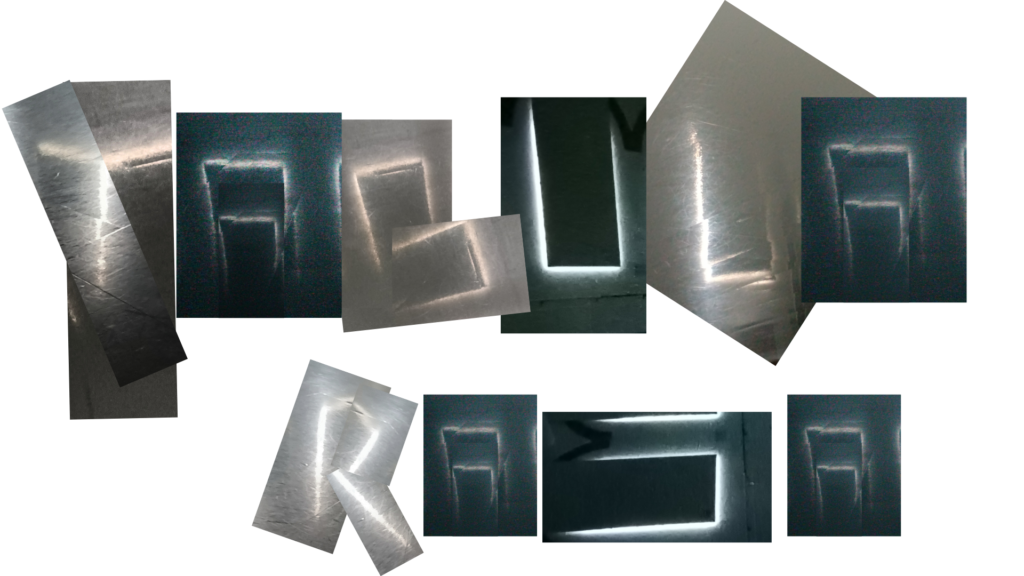
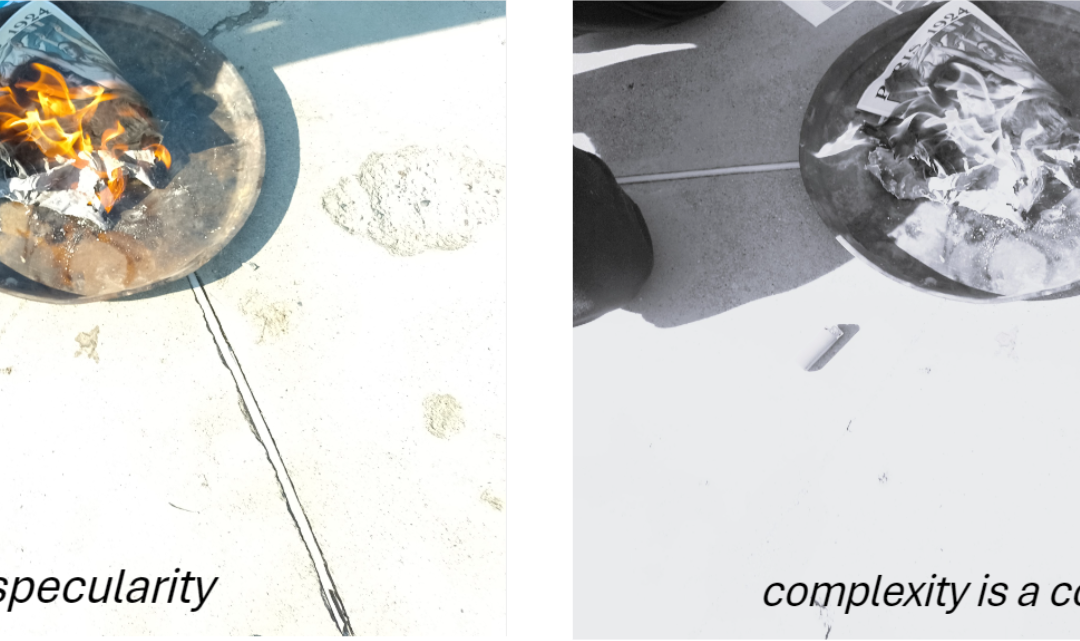
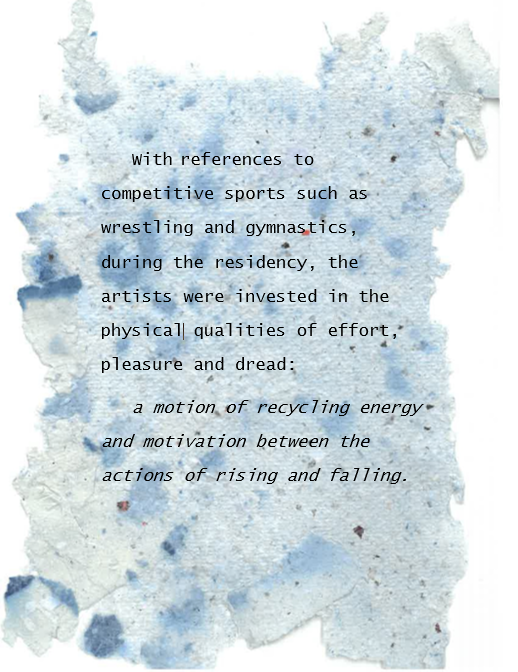
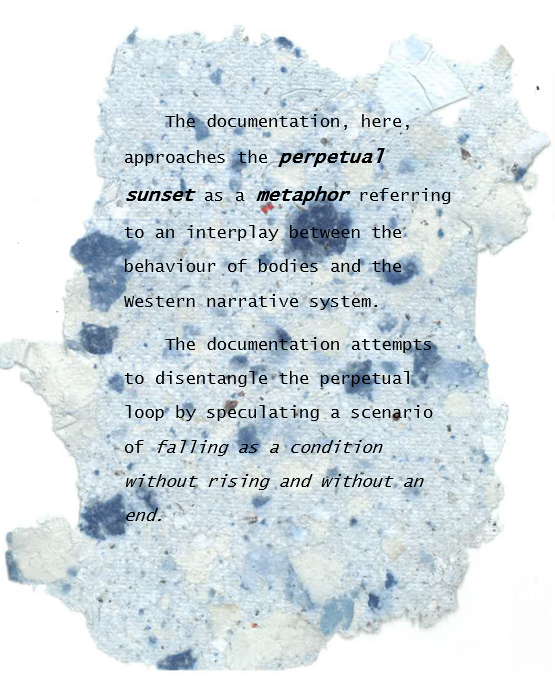
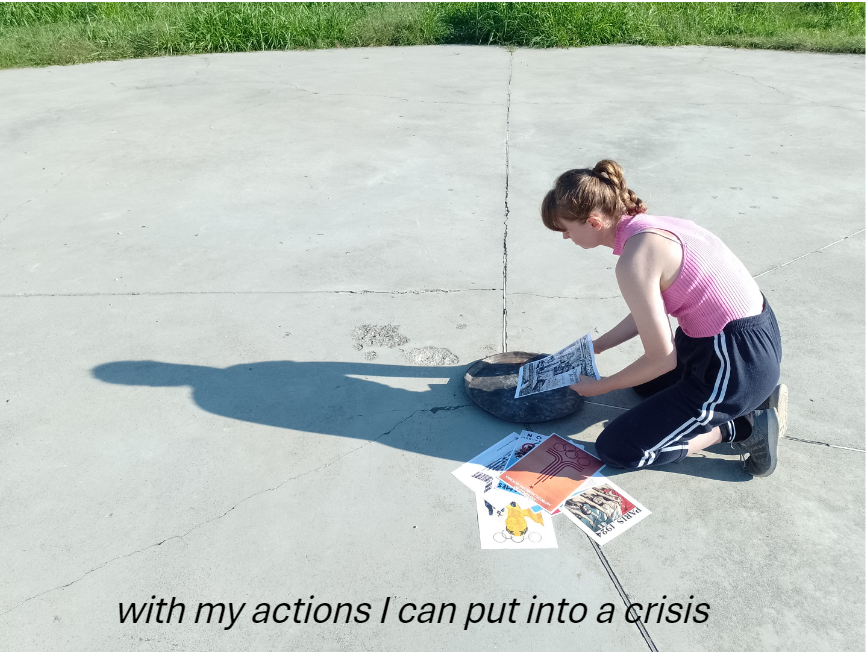
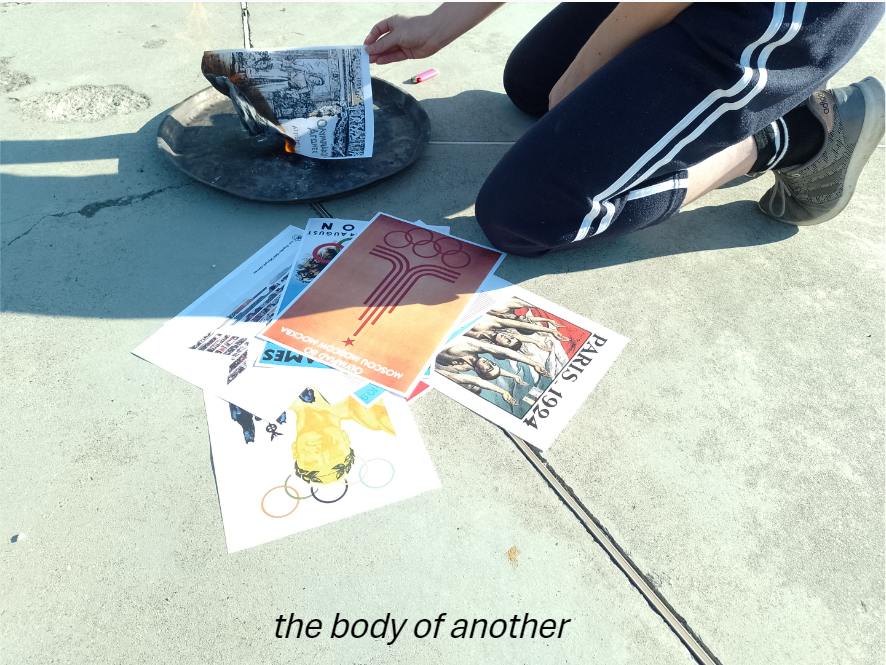
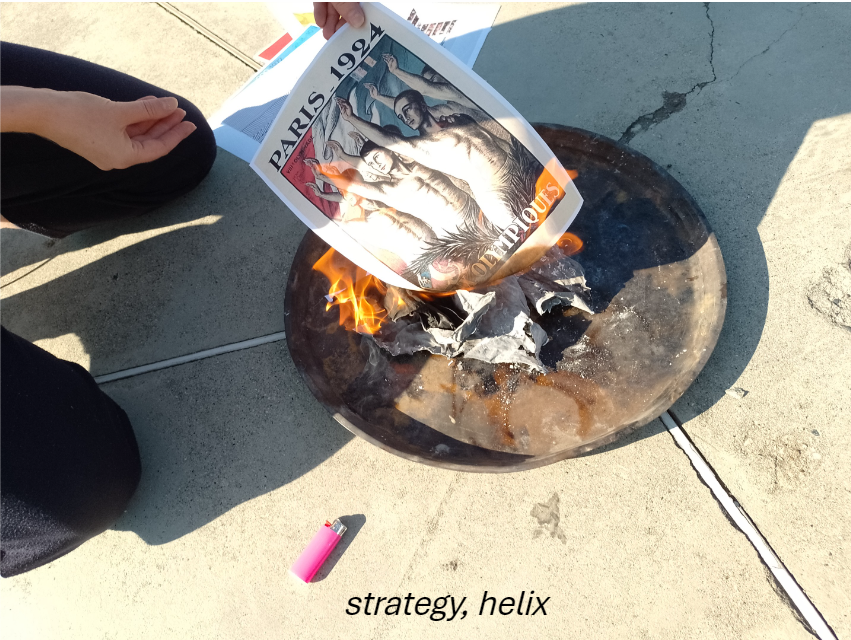
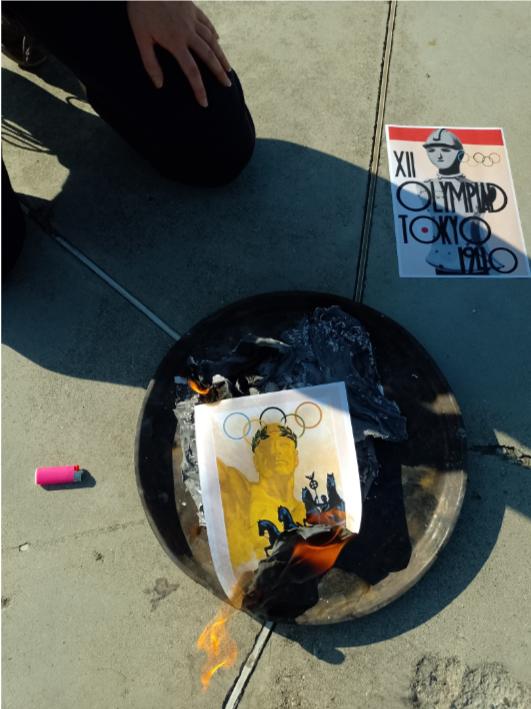
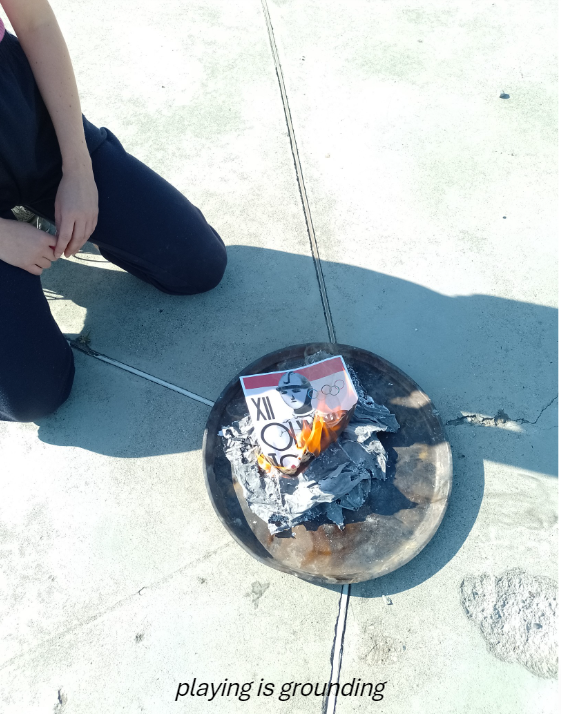
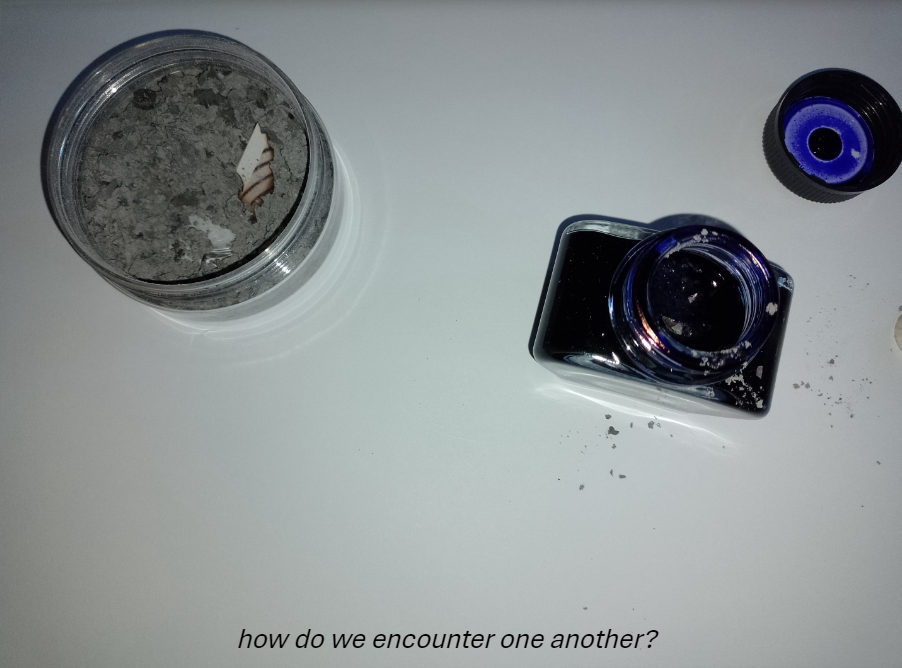
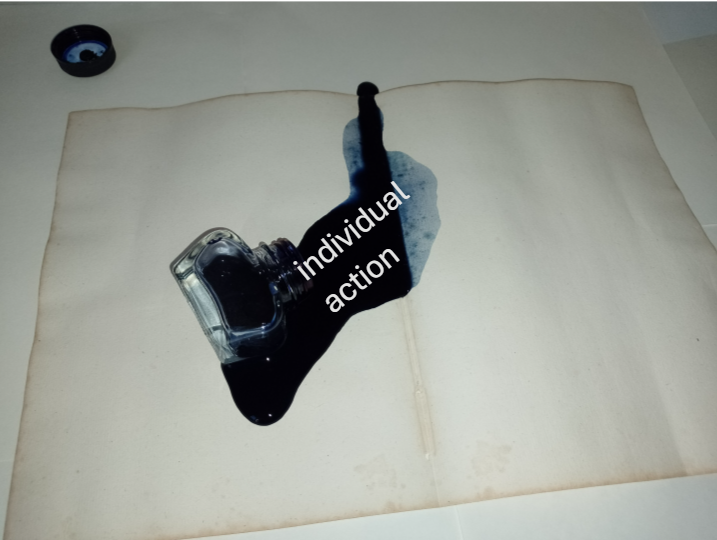
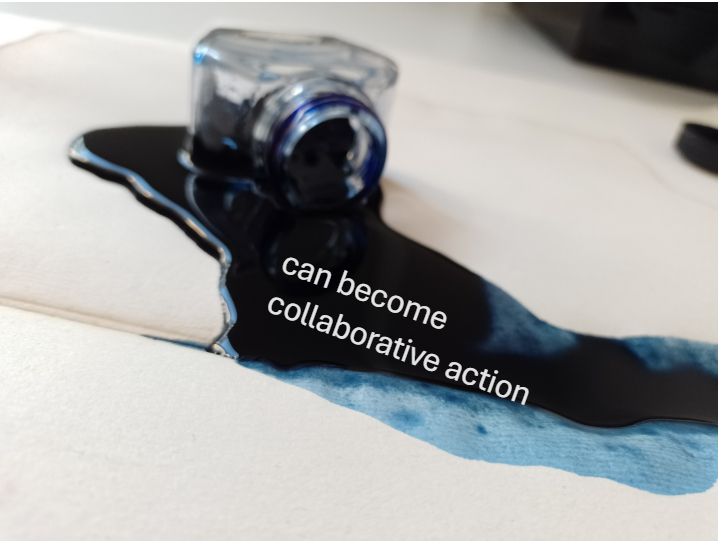
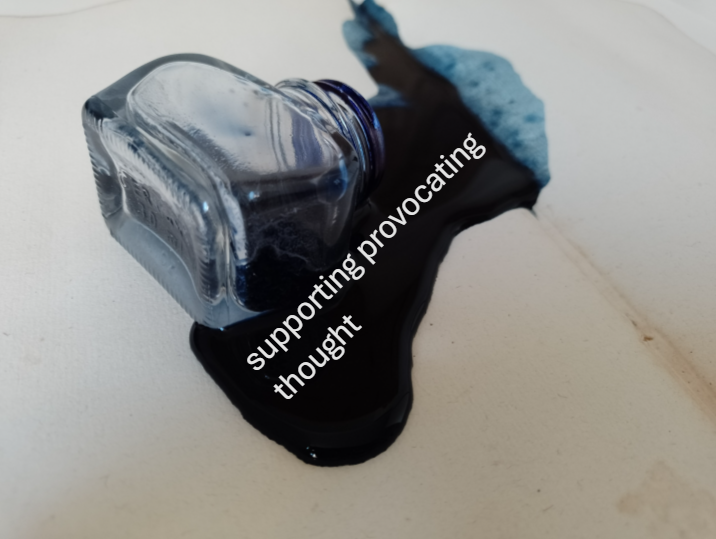
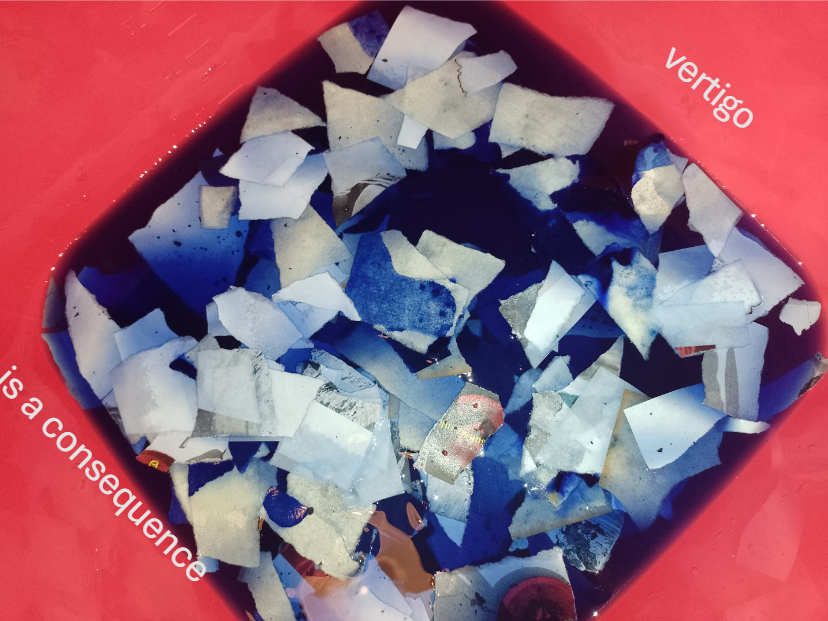
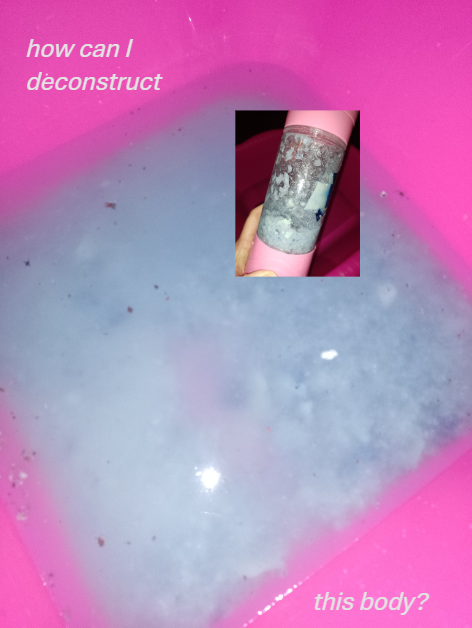
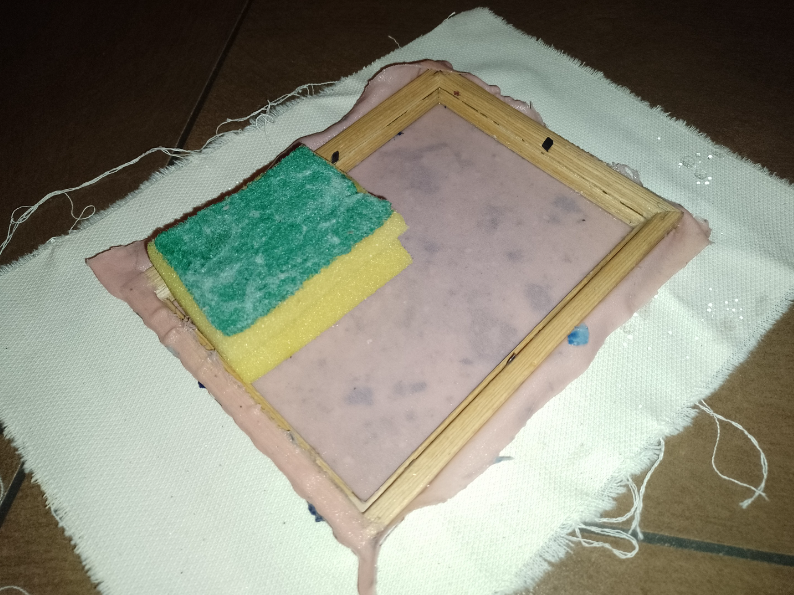
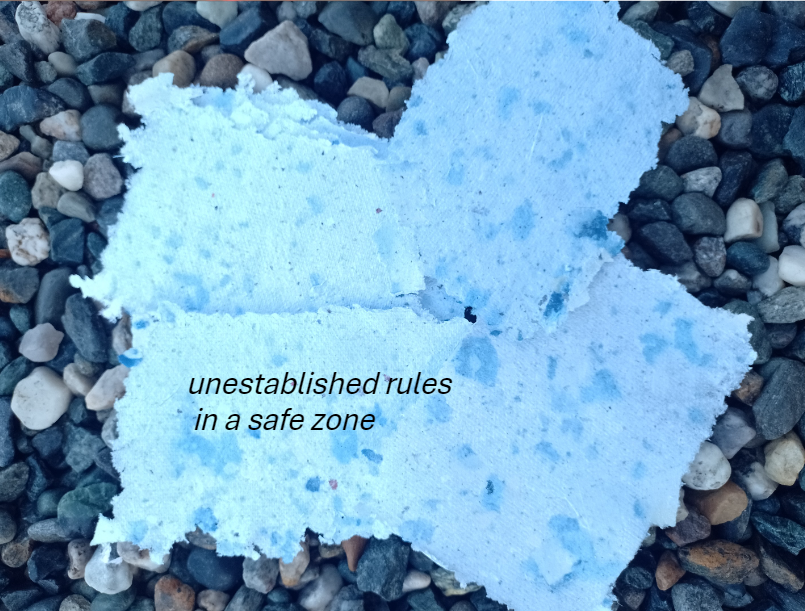
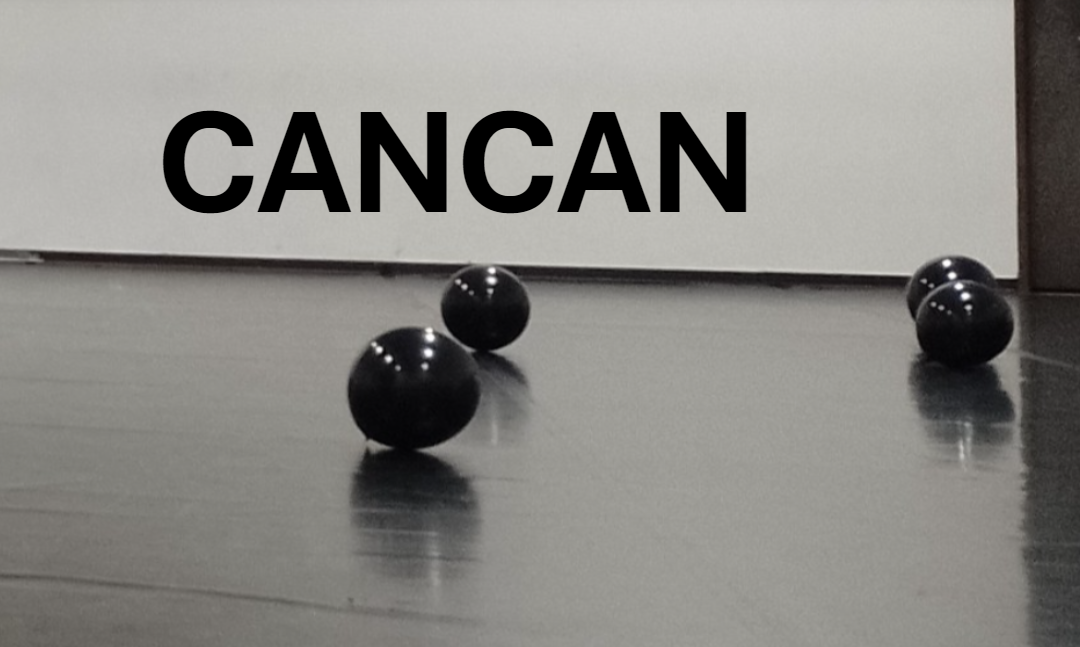
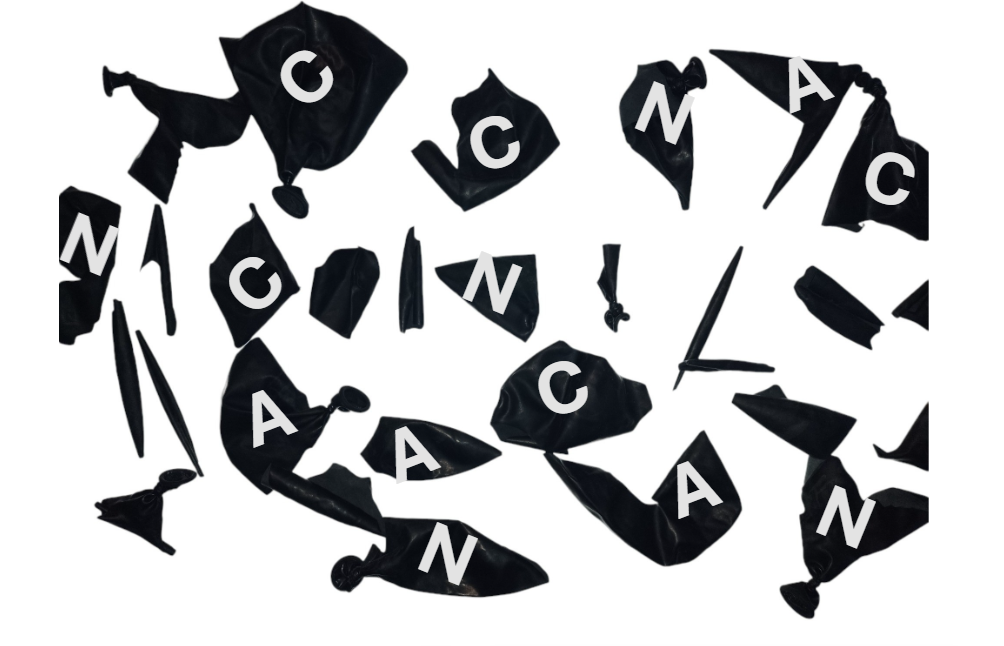
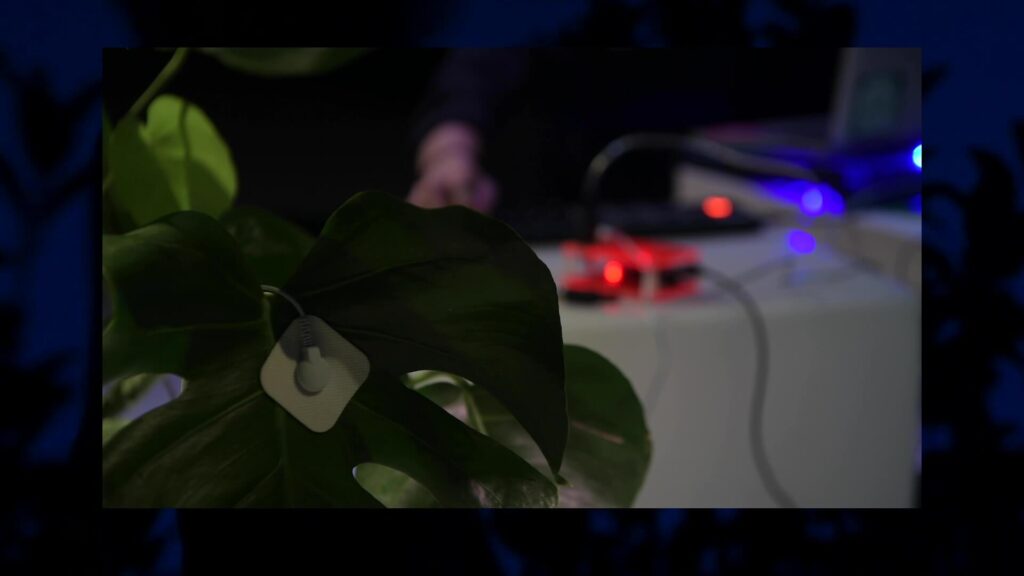
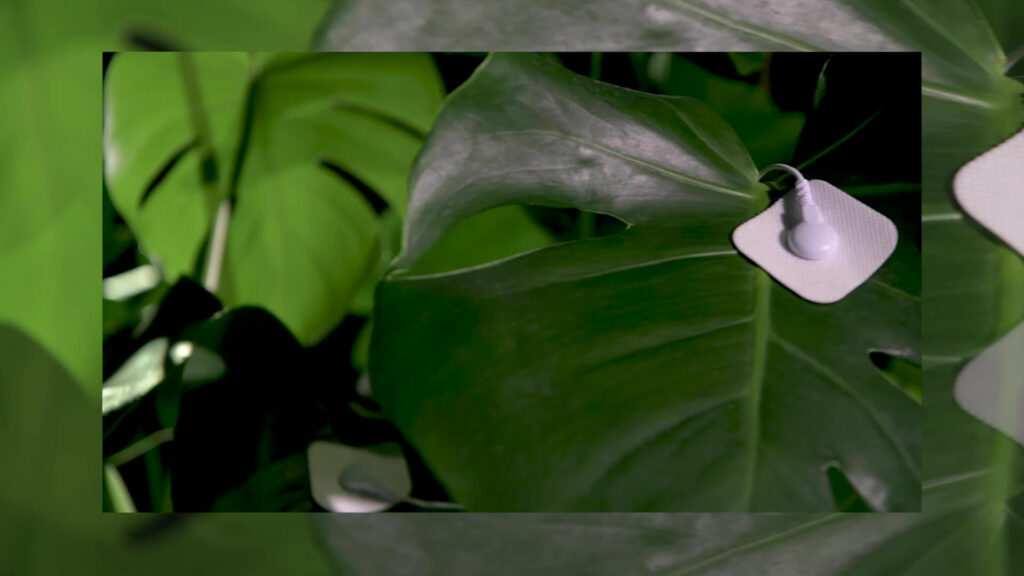
Immagini della performance “Dove Hanno tremato le Placche” di Valerie Tameu, presso Lavanderia a Vapore, 25 febbraio 2024.