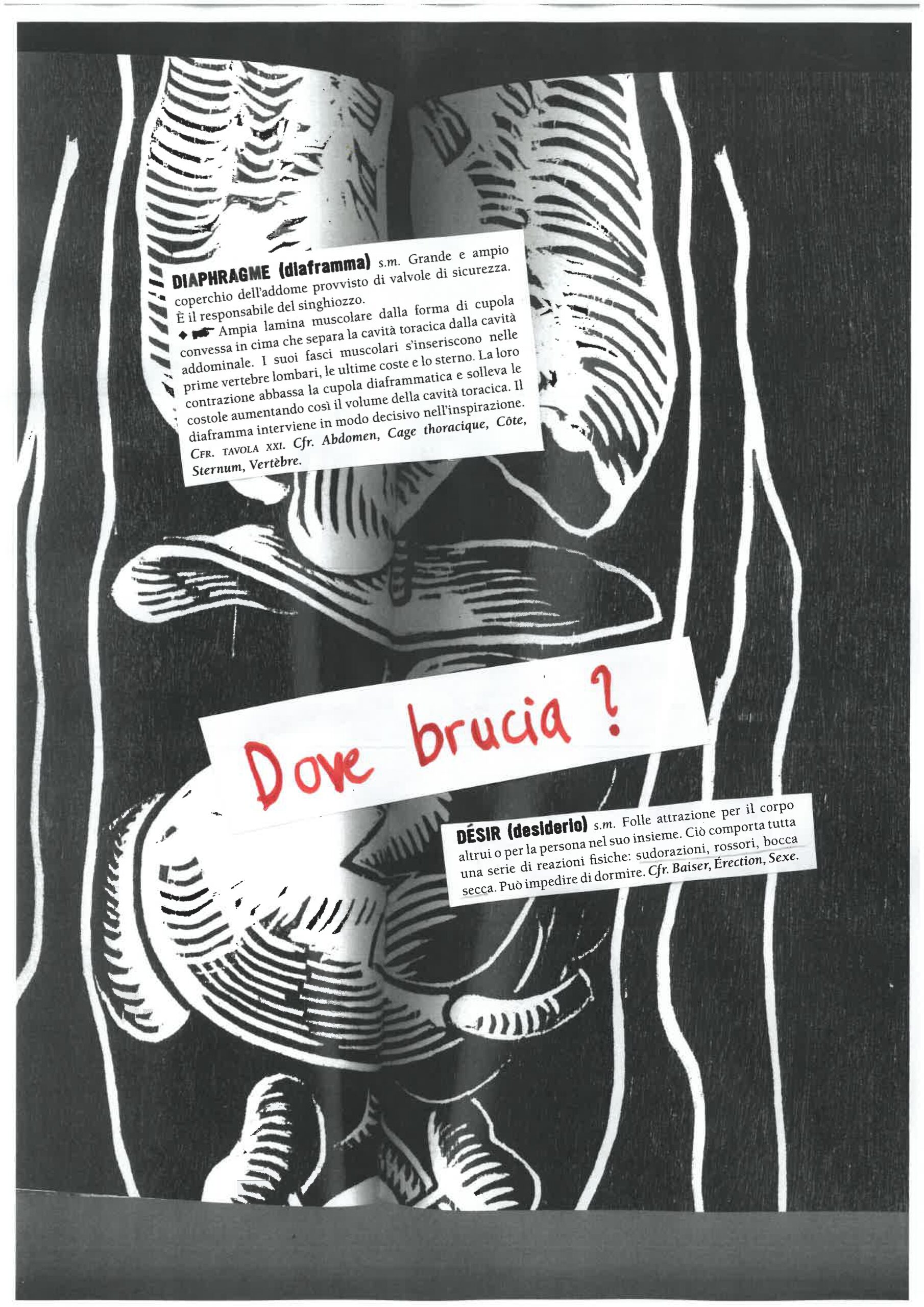
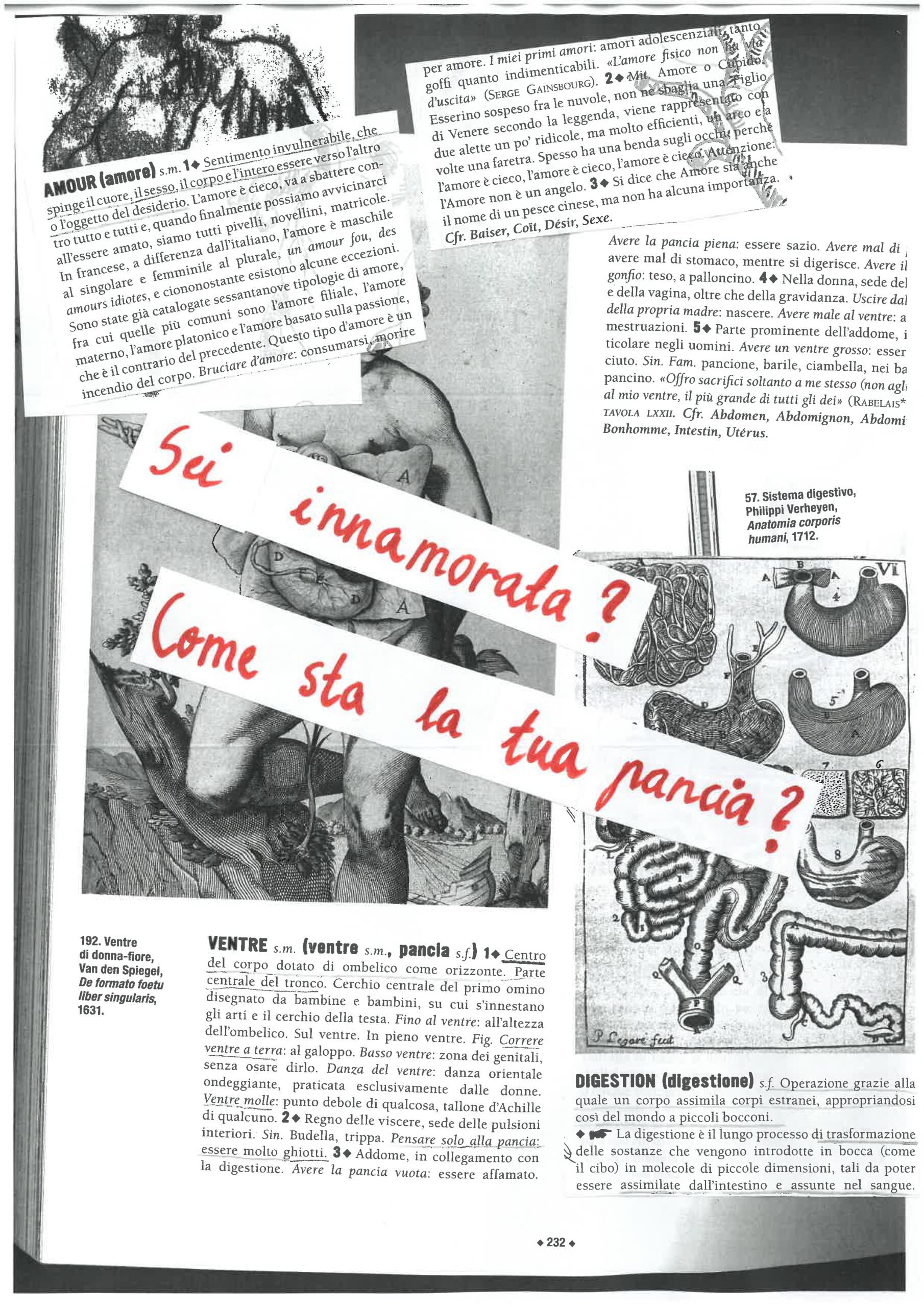
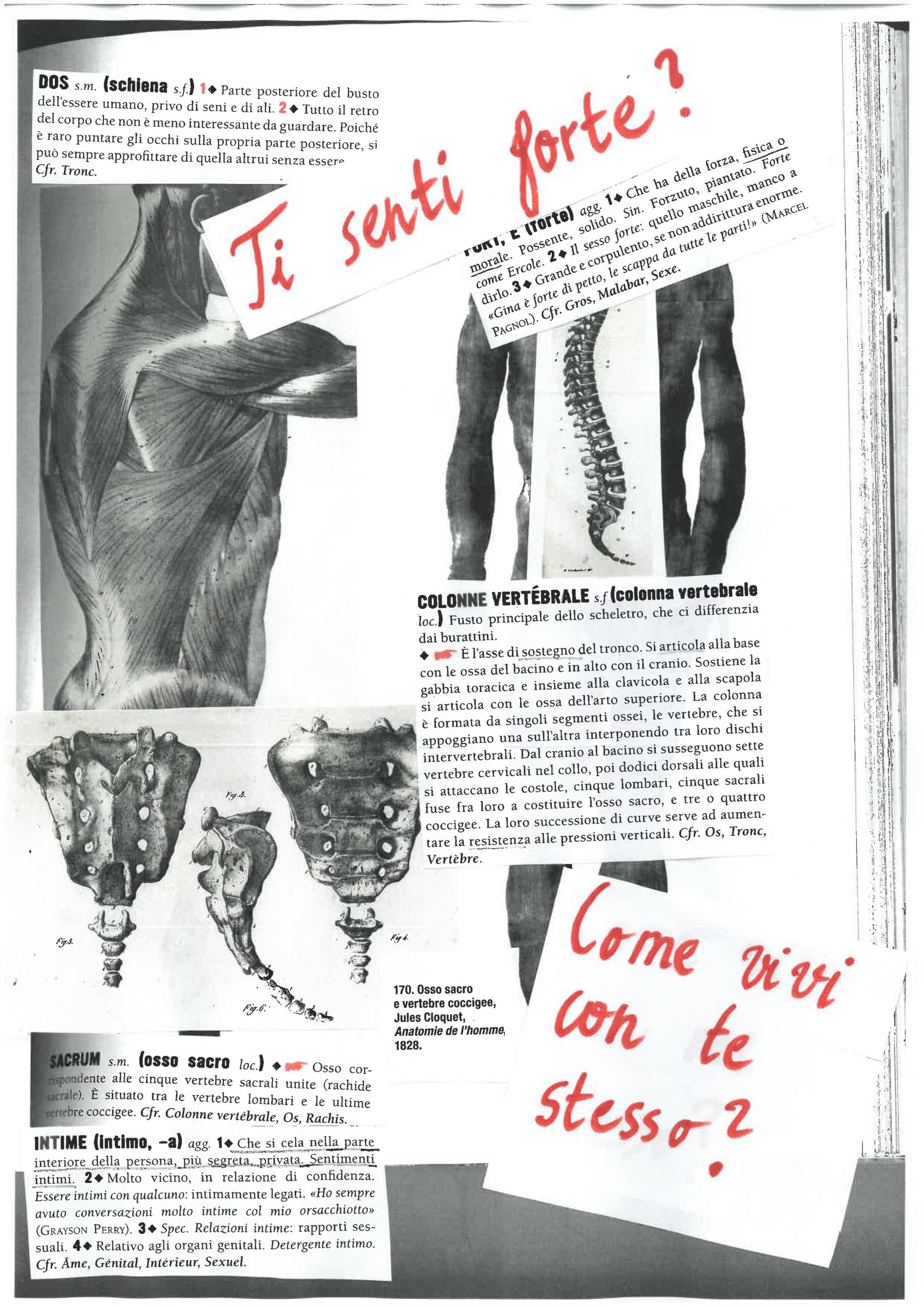
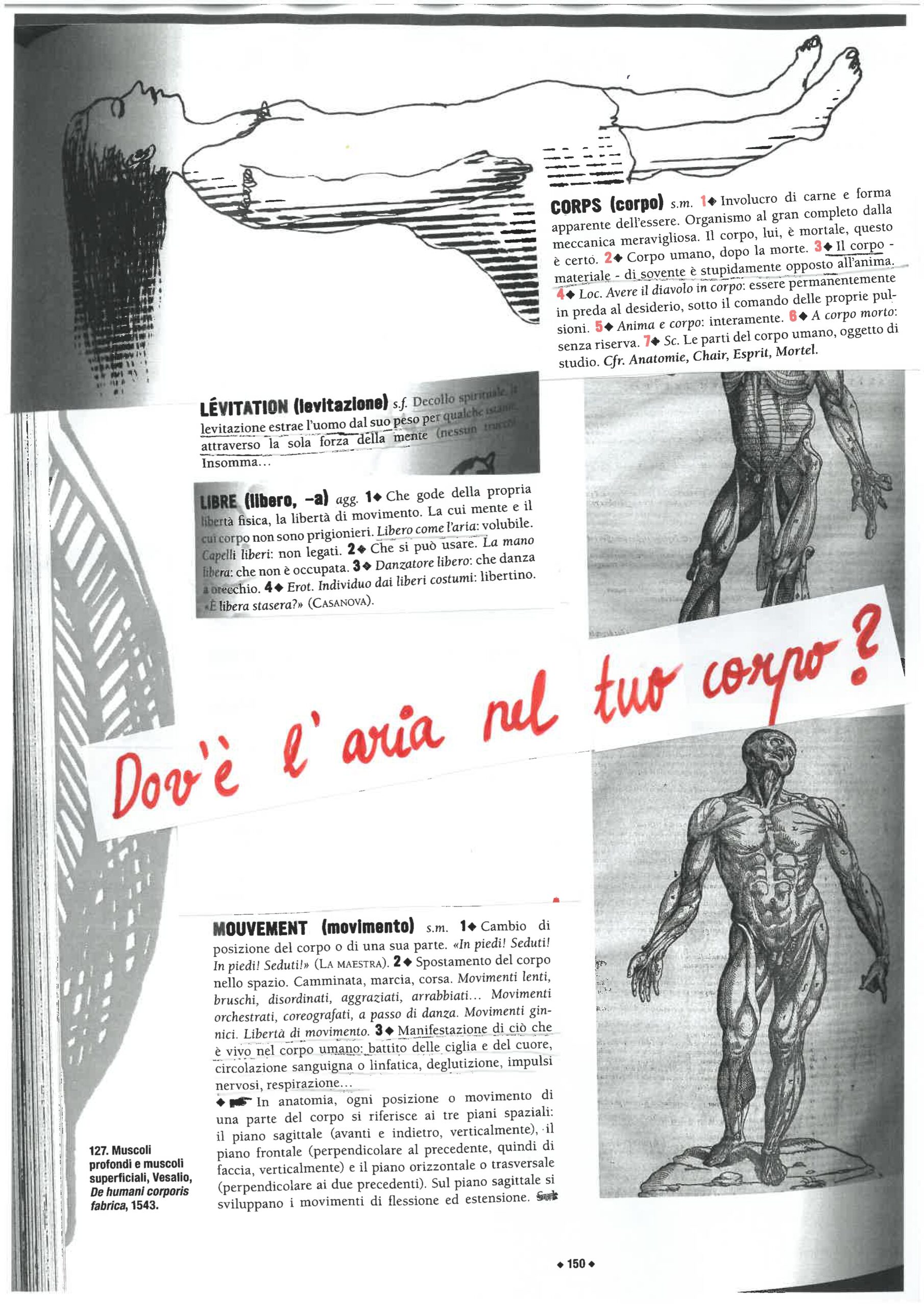
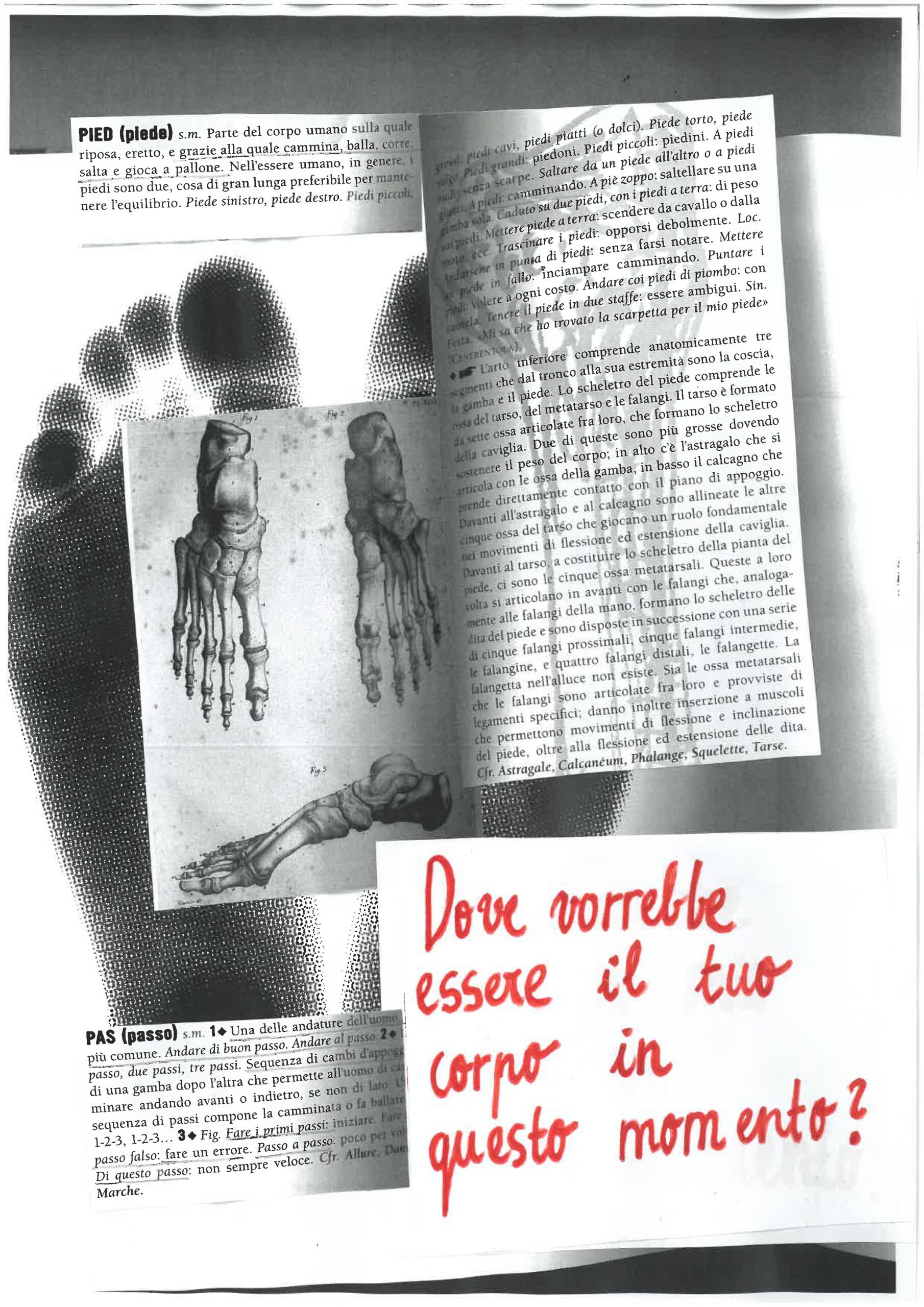
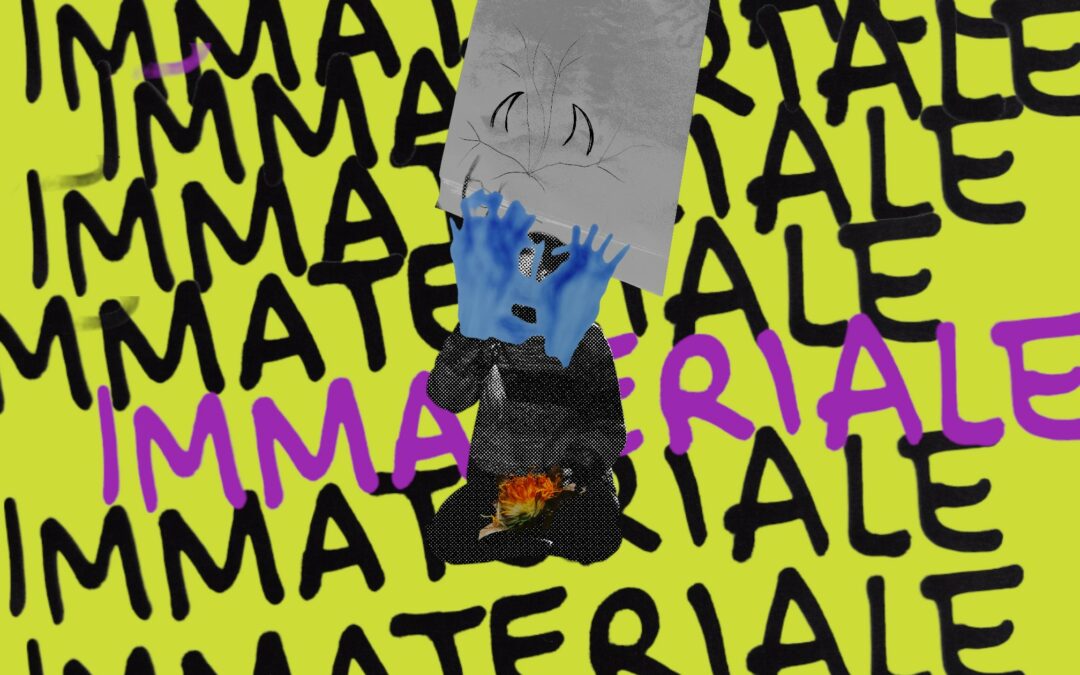
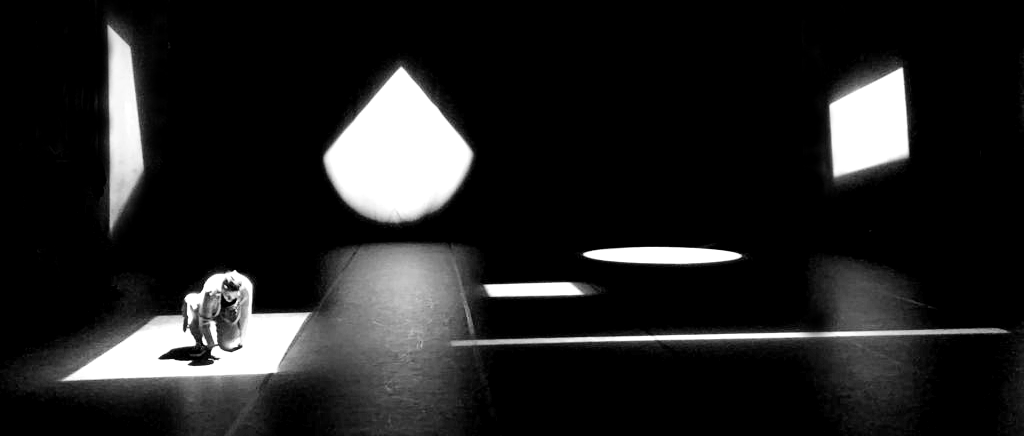
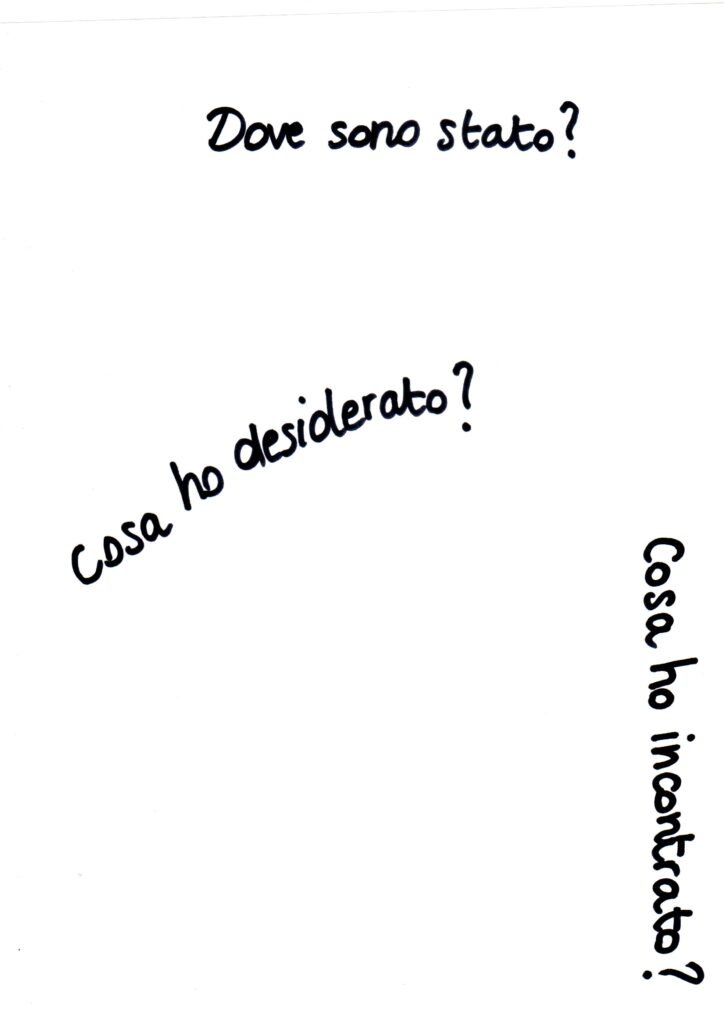
Nel processo artistico di Anna Basti, artista in residenza dall’ 1 al 12 febbraio alla Lavanderia a Vapore, porre domande significative a sé stessi e agli altri ha la capacità alchemica di trasformare lo stato del proprio corpo attraverso la pratica e l’immaginazione.
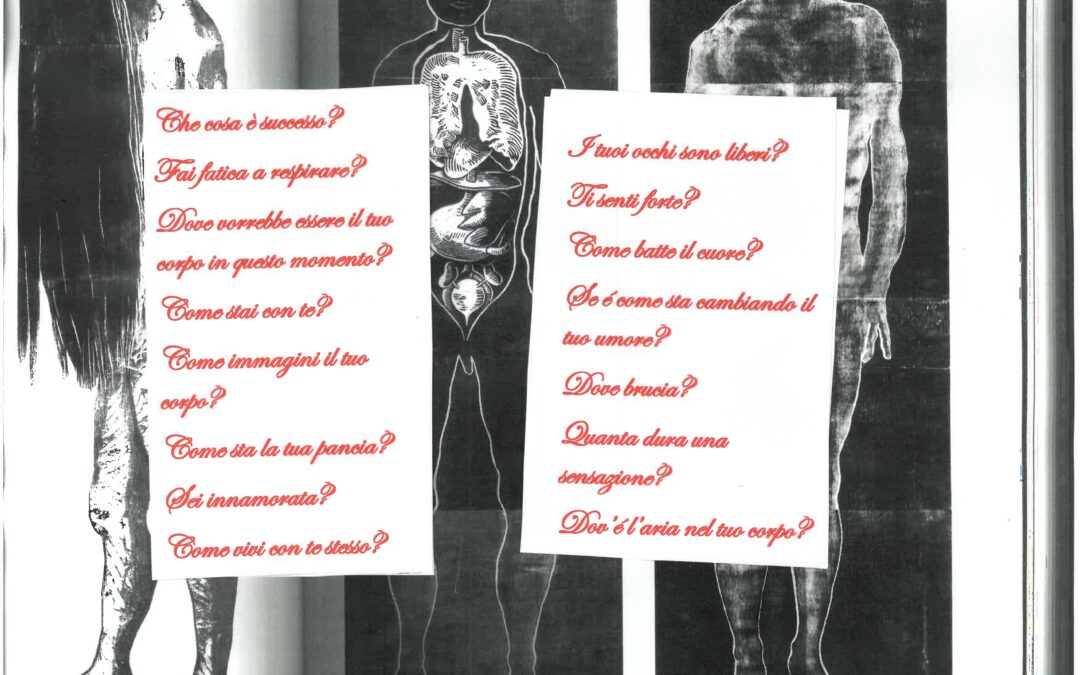
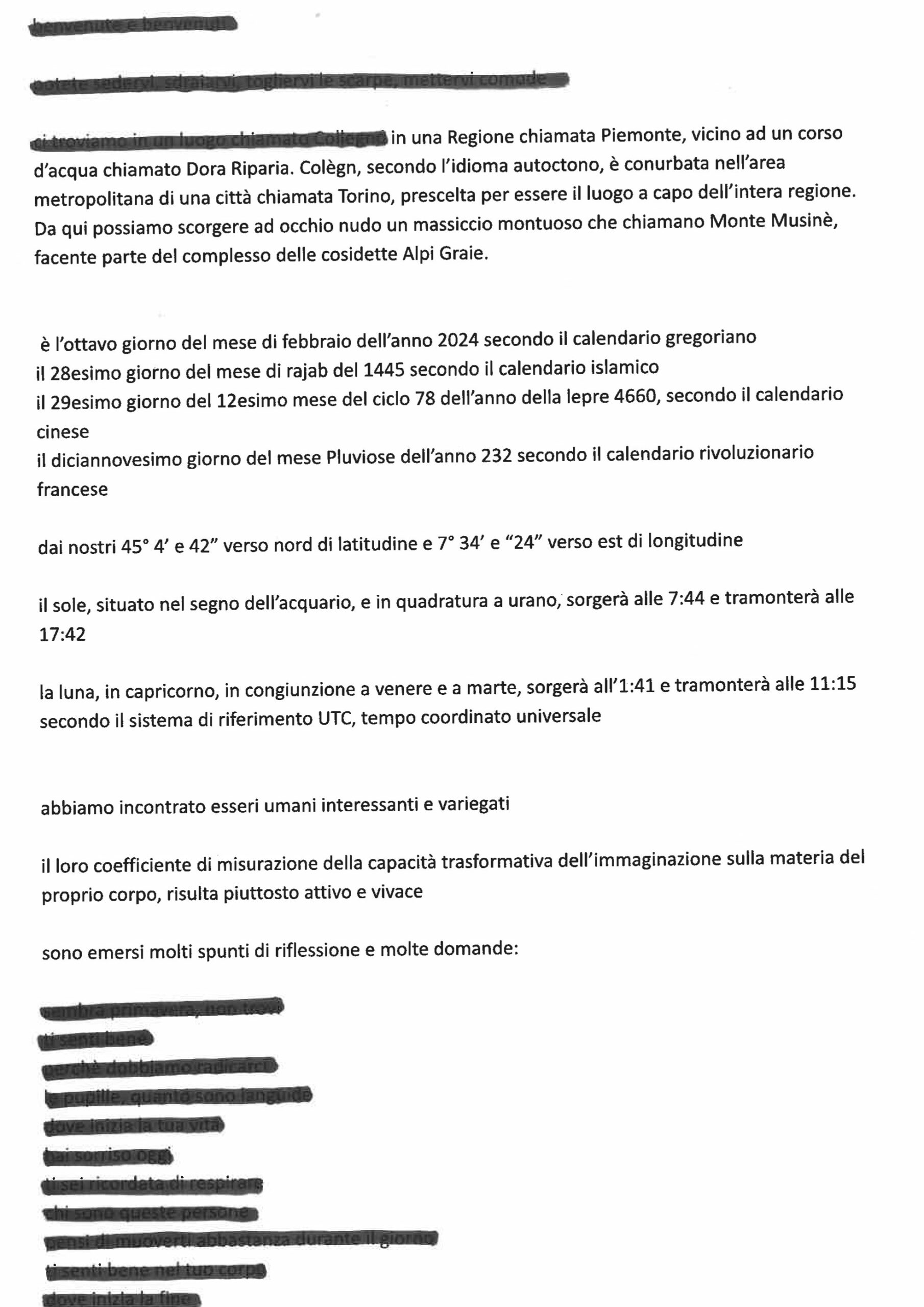
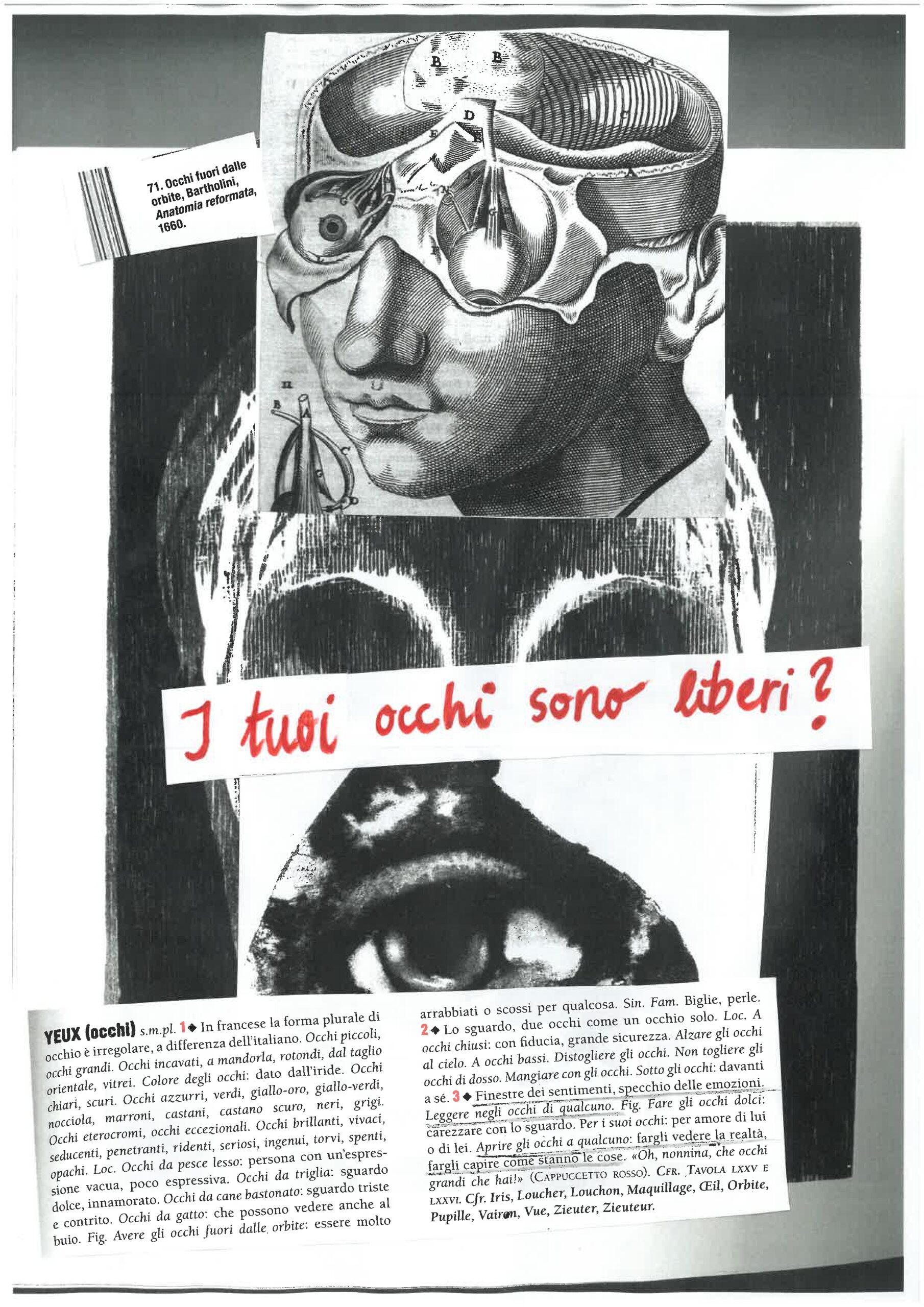
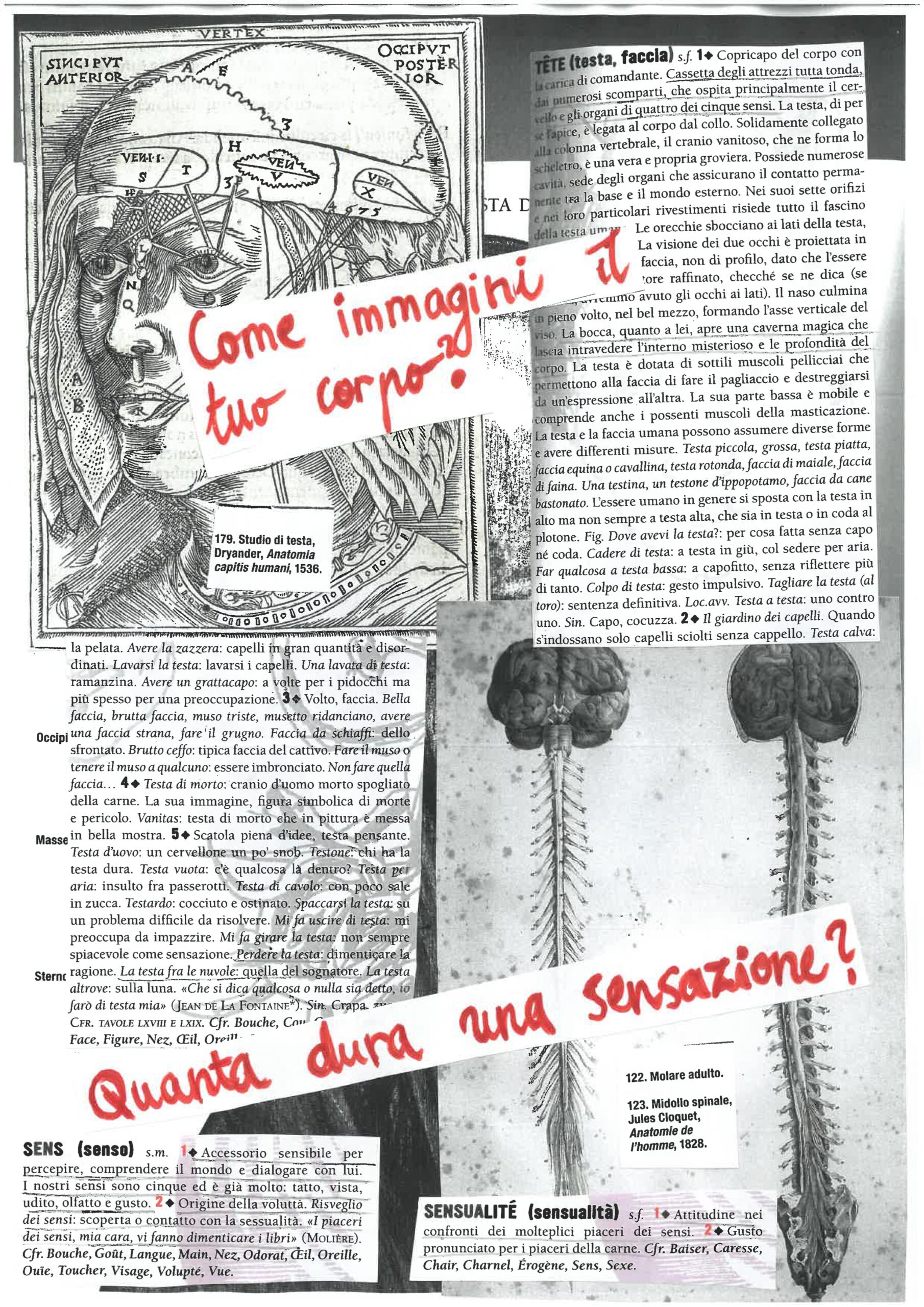
Quella che segue è una raccolta di domande emerse dalla condivisione intima con un gruppo di partecipanti che si ha preso parte alla pratica di Anna, la mattina dell’8 febbraio
alle 10.00
a Collegno
,
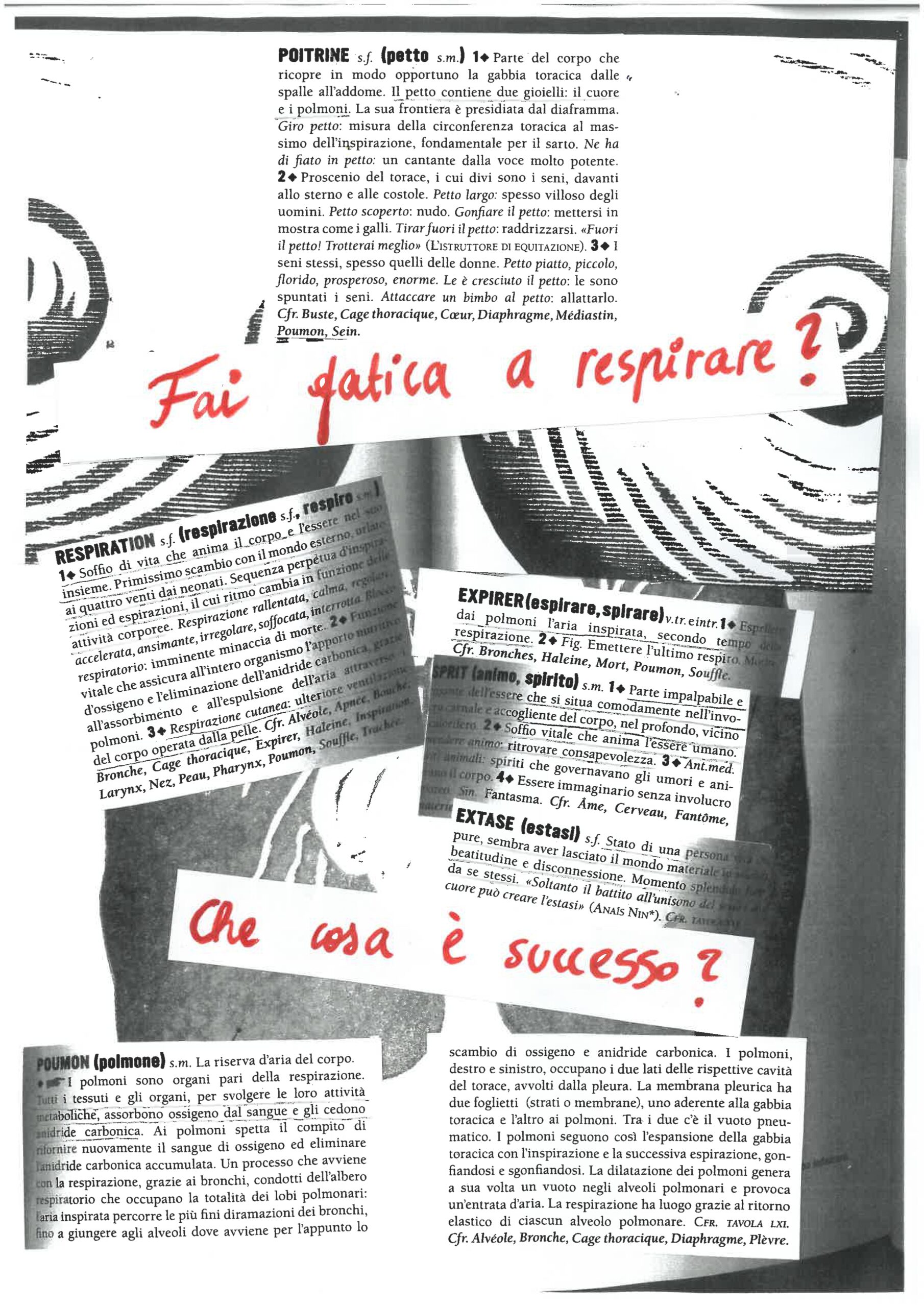
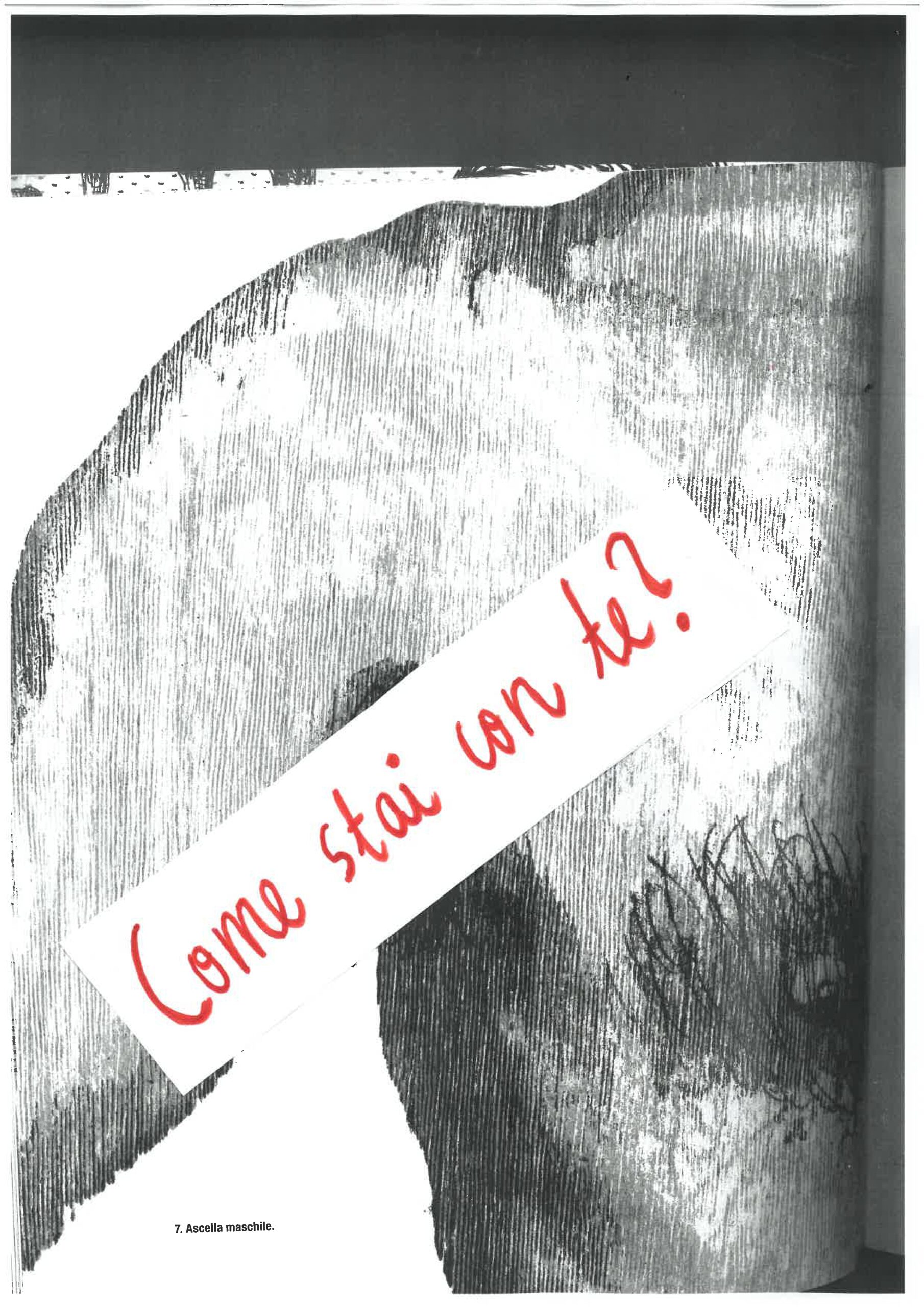
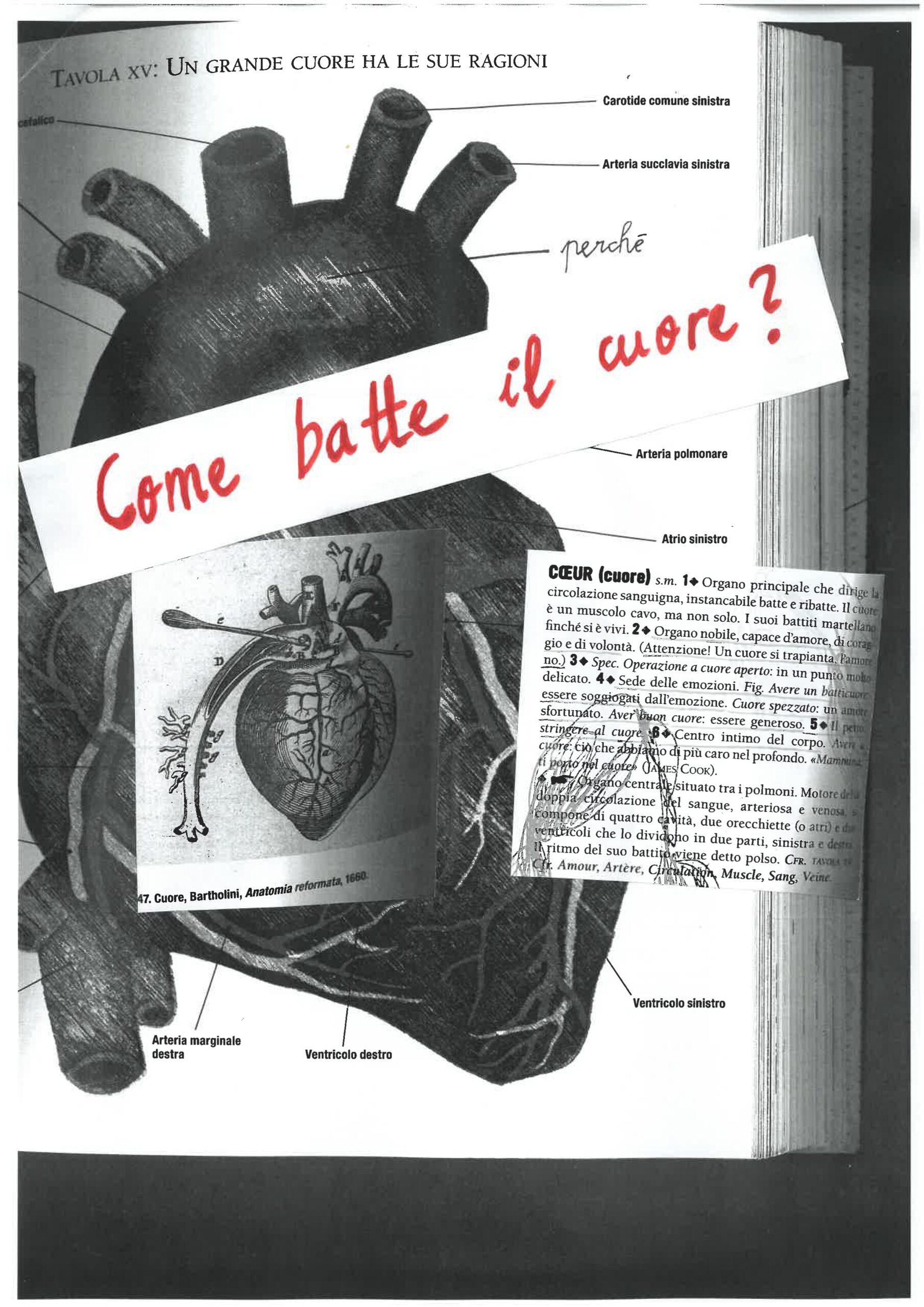
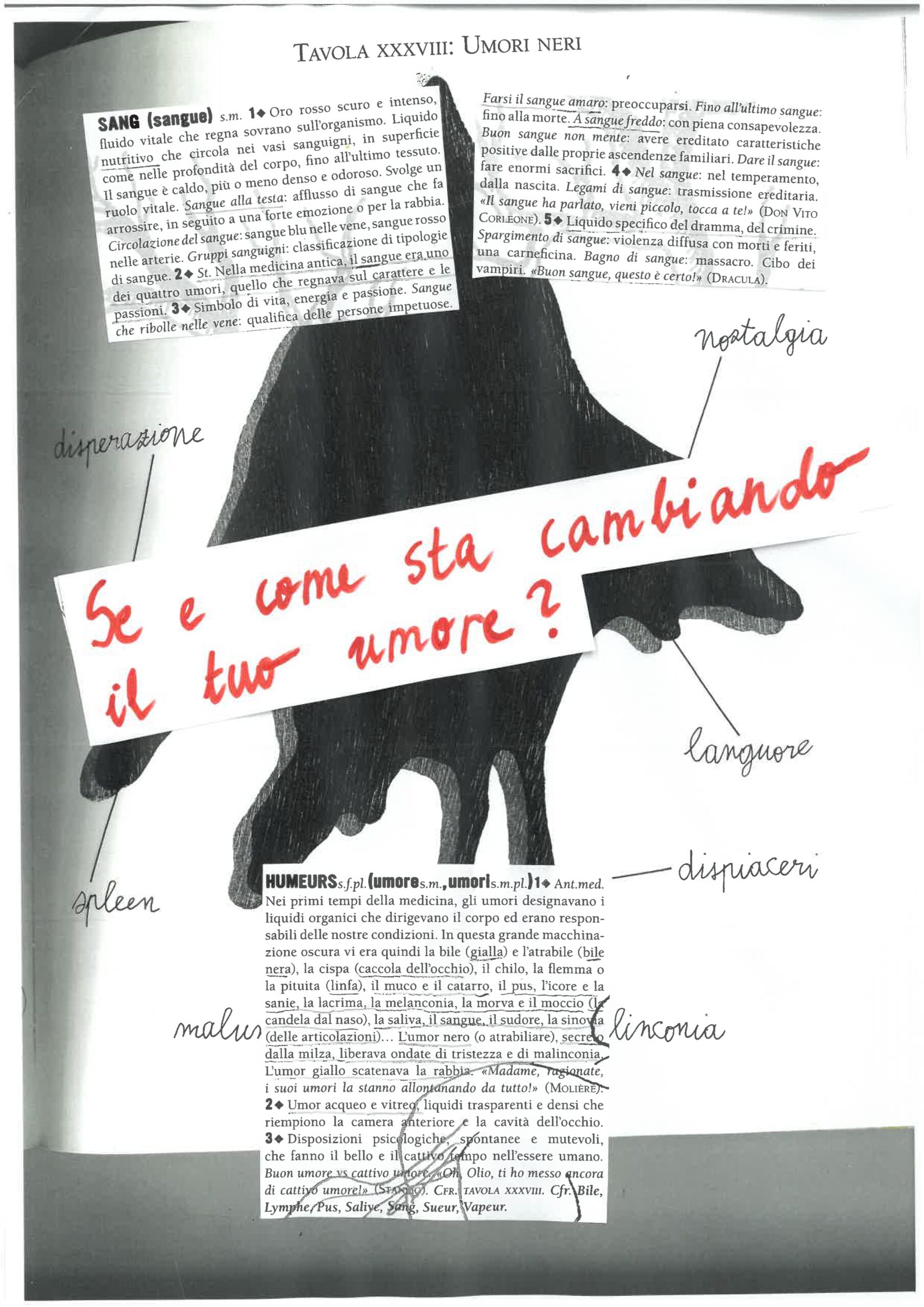
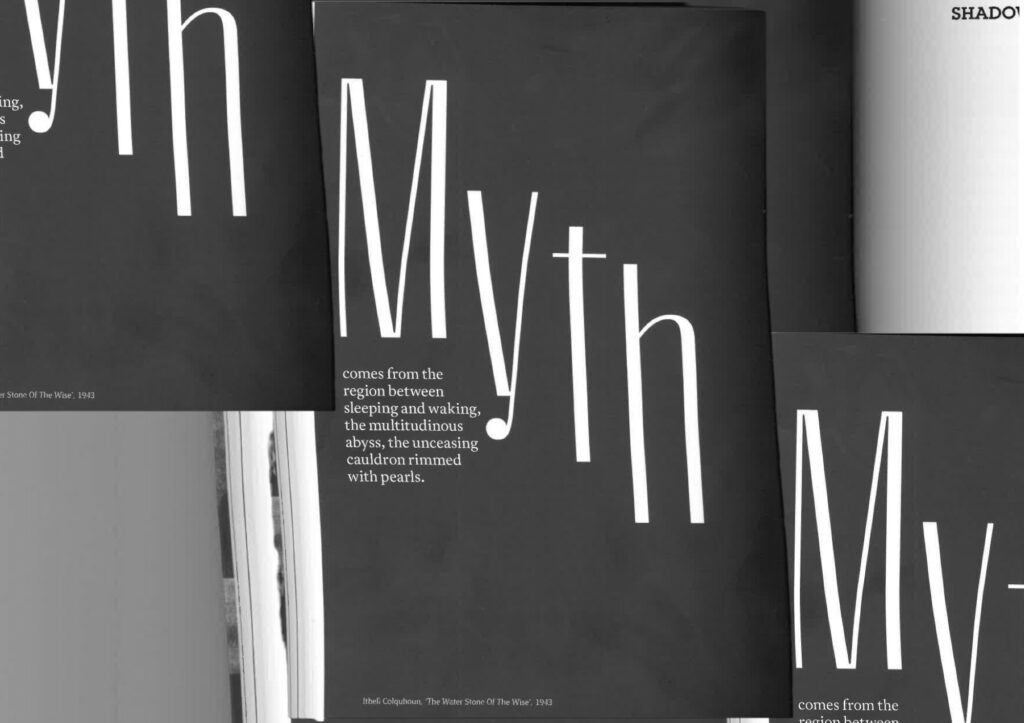
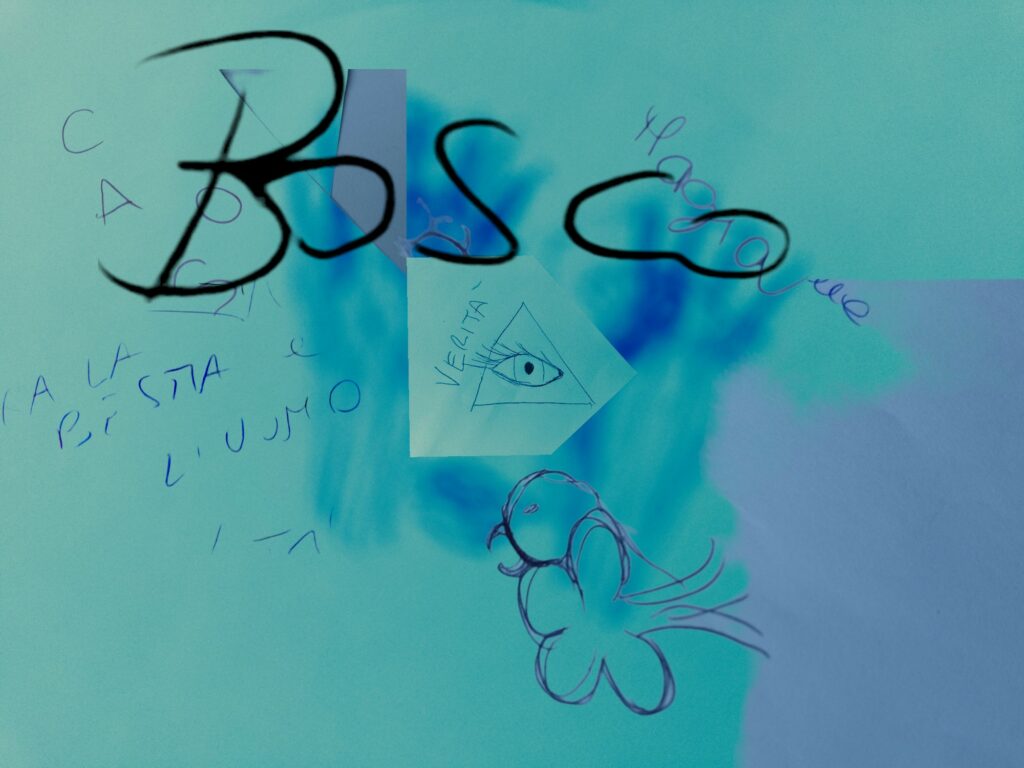
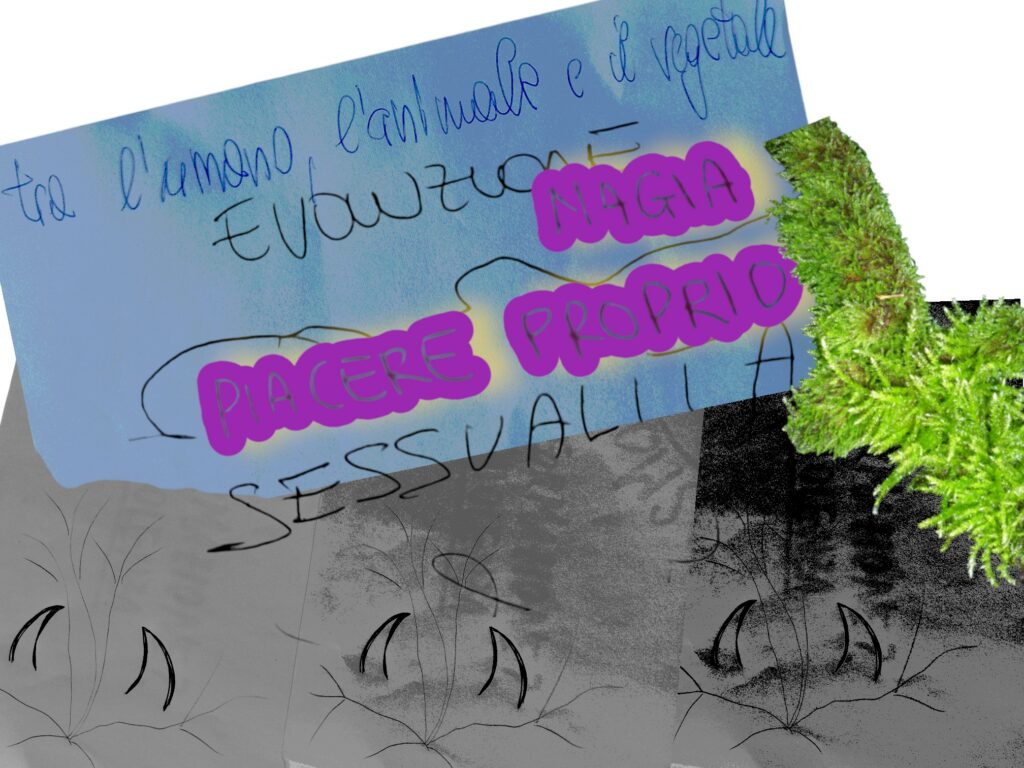
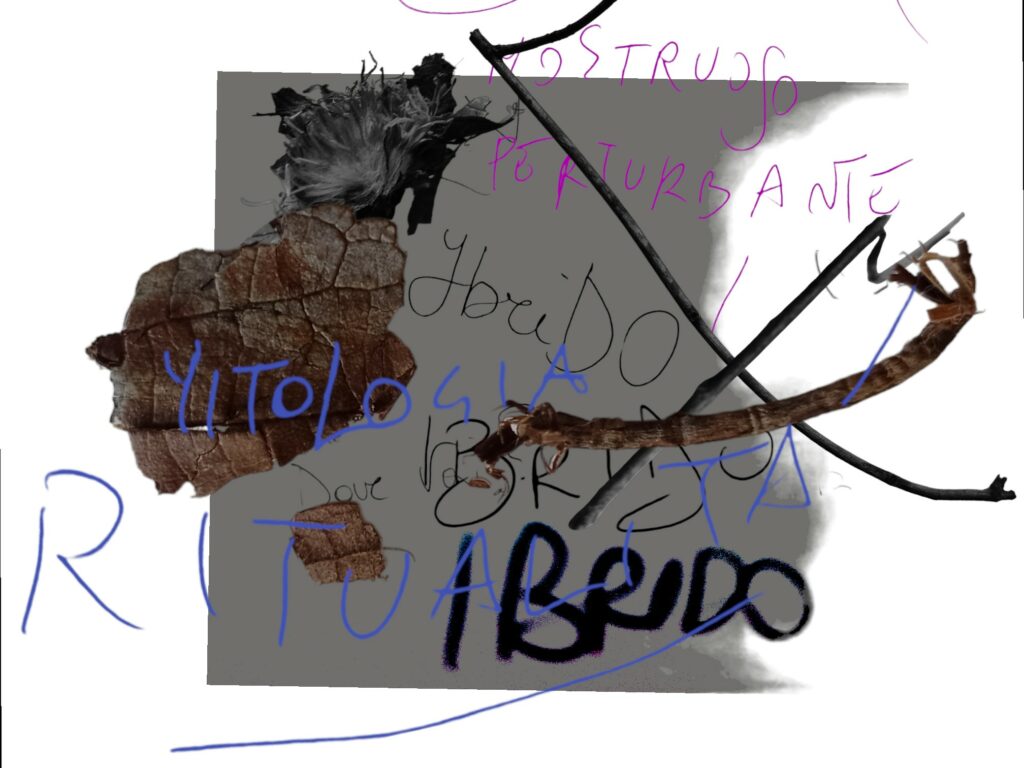
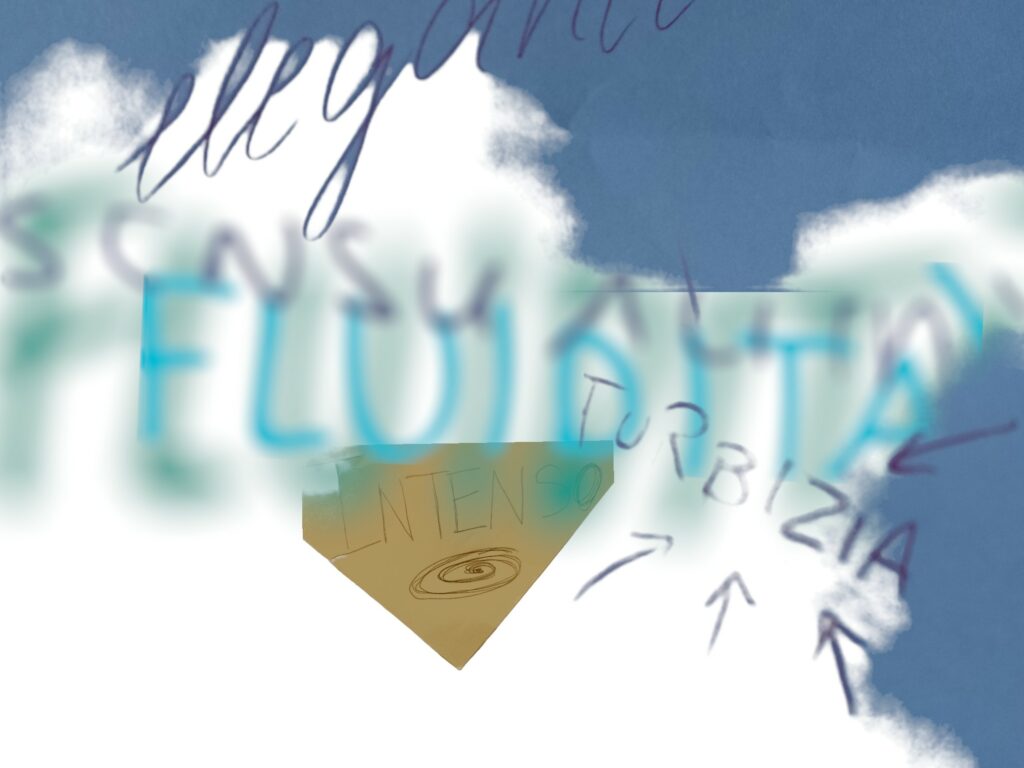
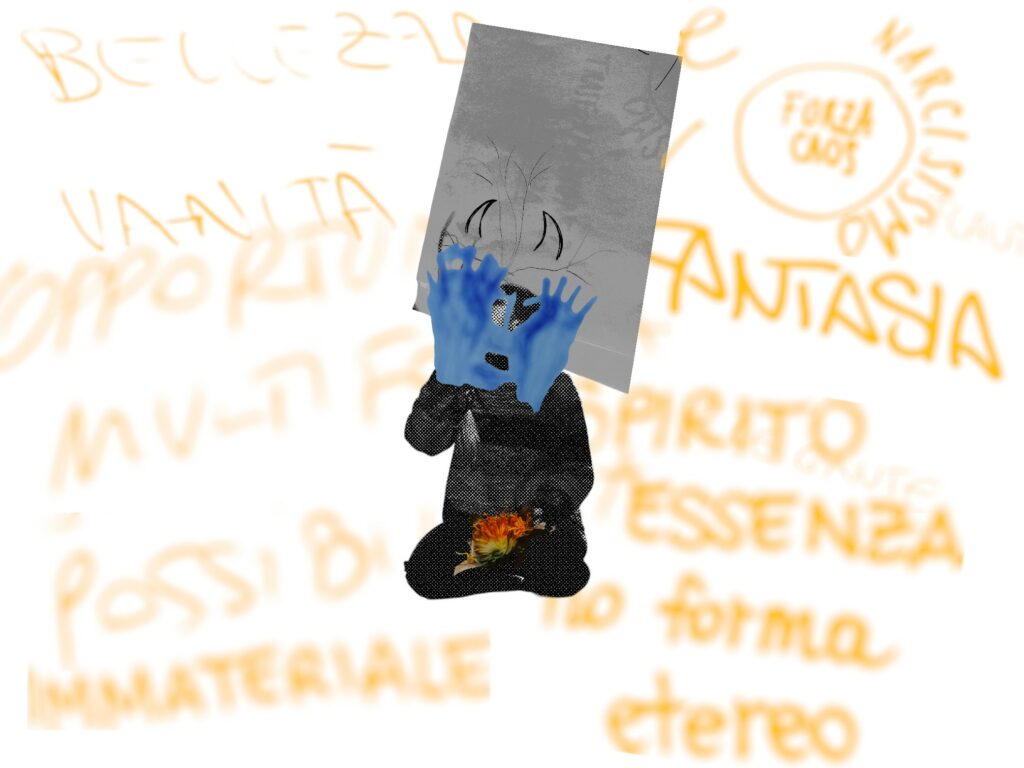
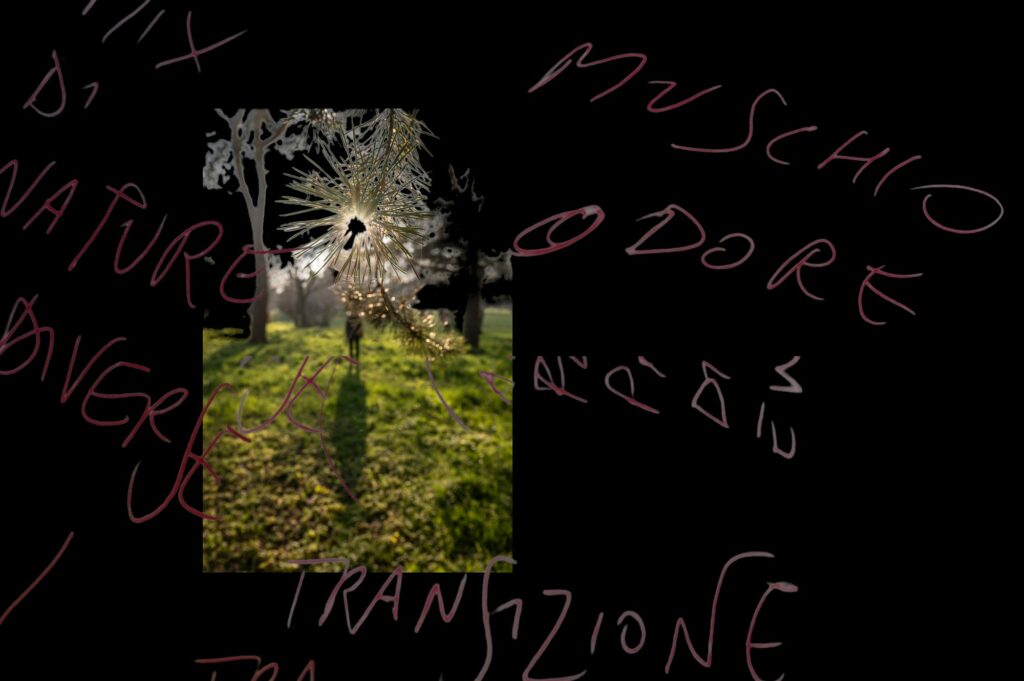
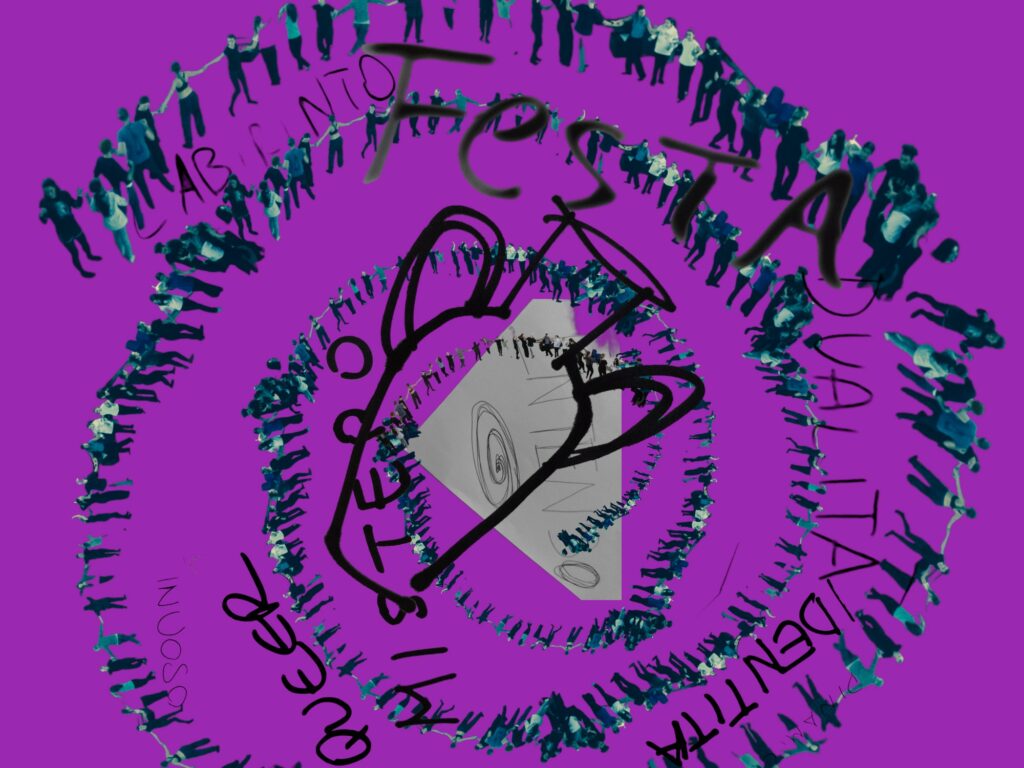
I collage sono realizzati da Kadri Sirel, utilizzando testi e immagini tratti dal libro “Dizionario folle del corpo” di Katy Couprie e le domande emerse dalla pratica di gruppo. Il calendario è scritto da Anna Basti.
What comes into your mind when you think of the Faun?
Allow your path to take you to a park, wander around, notice what surrounds you, the microdetails. Zoom in and out from the things that catch your attention, find two-three-four objects that you would like to add to your costume.
Find a comfortable position and lay all the collected items around you.
Pause, look at the objects, notice your form. Use the items as extensions of your body; appreciate your skin; marvel your beauty.
What do you access?
The mythological figure of the Faun occupies the imagination of Los Faunos, a project that brings together dance schools in Turin accompanied by creative tasks and choreographic scores inspired by the queerness and intersectionality of the Faun to reflect upon repertoire and performance. The first encounter of the Fauns took place between the 13.-14 of January in Lavanderia a Vapore.
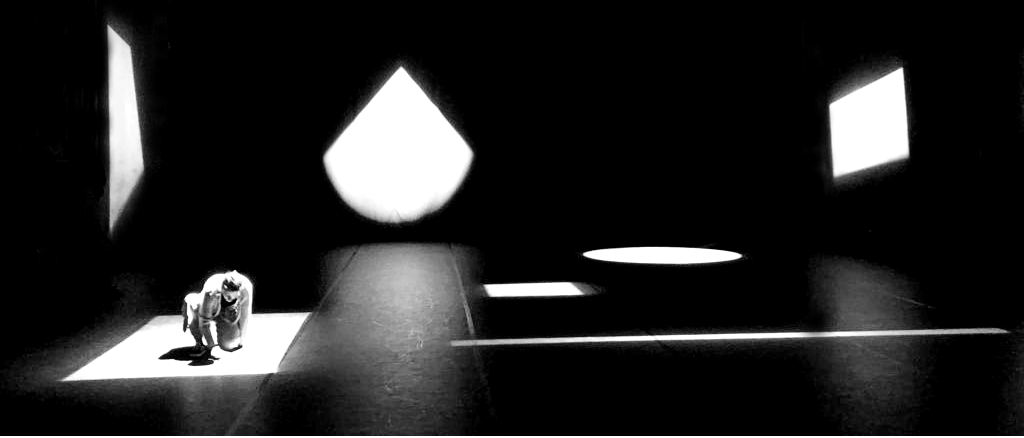
Collages created by Kadri Sirel with the words and images collected from the project’s participants and the photos of Andrea Macchia.
ti invito a leggere i frammenti che seguono, come si legge una poesia, prima di andare a dormire.
Cerca una piccola calma. Concediti qualche respiro profondo.
Entra lentamente nelle parole, lasciati accompagnare dal loro suono e dal ritmo dello scorrere.
Se necessario torna indietro.
La qualità del tempo accende significati.
Buon viaggio
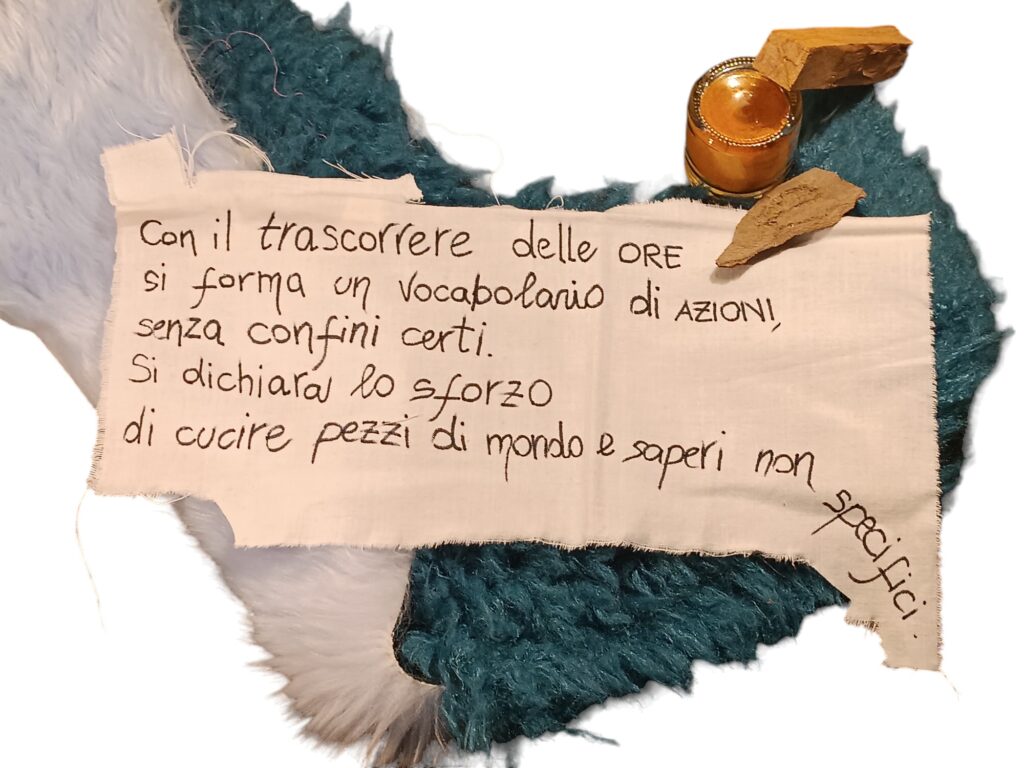
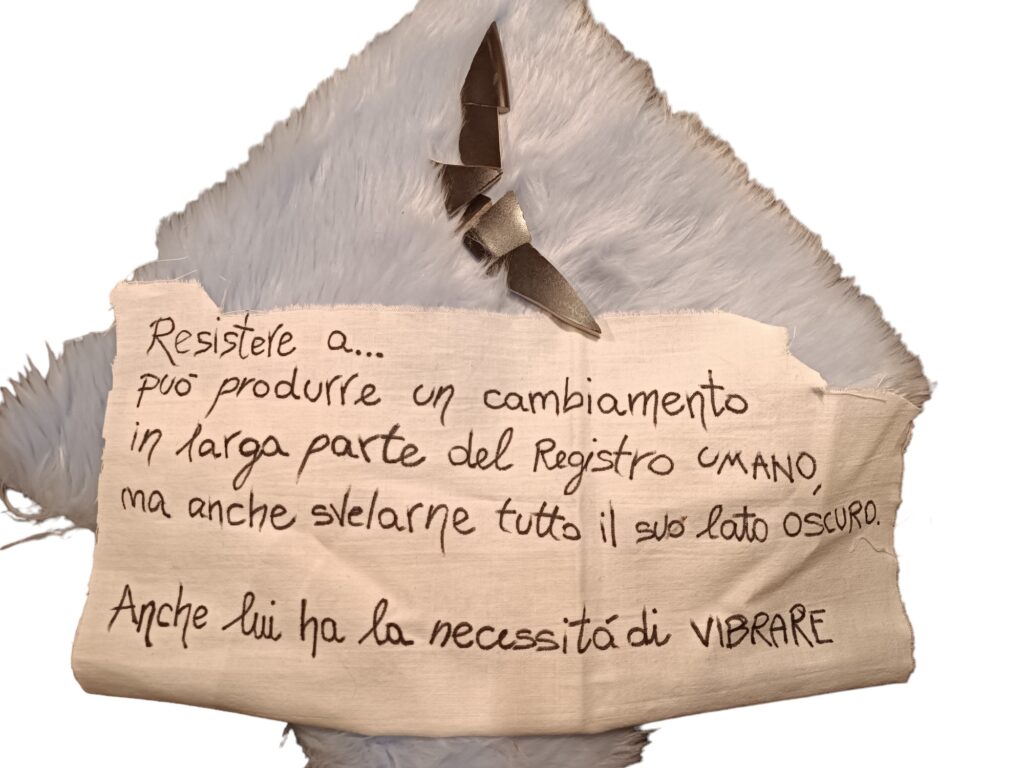
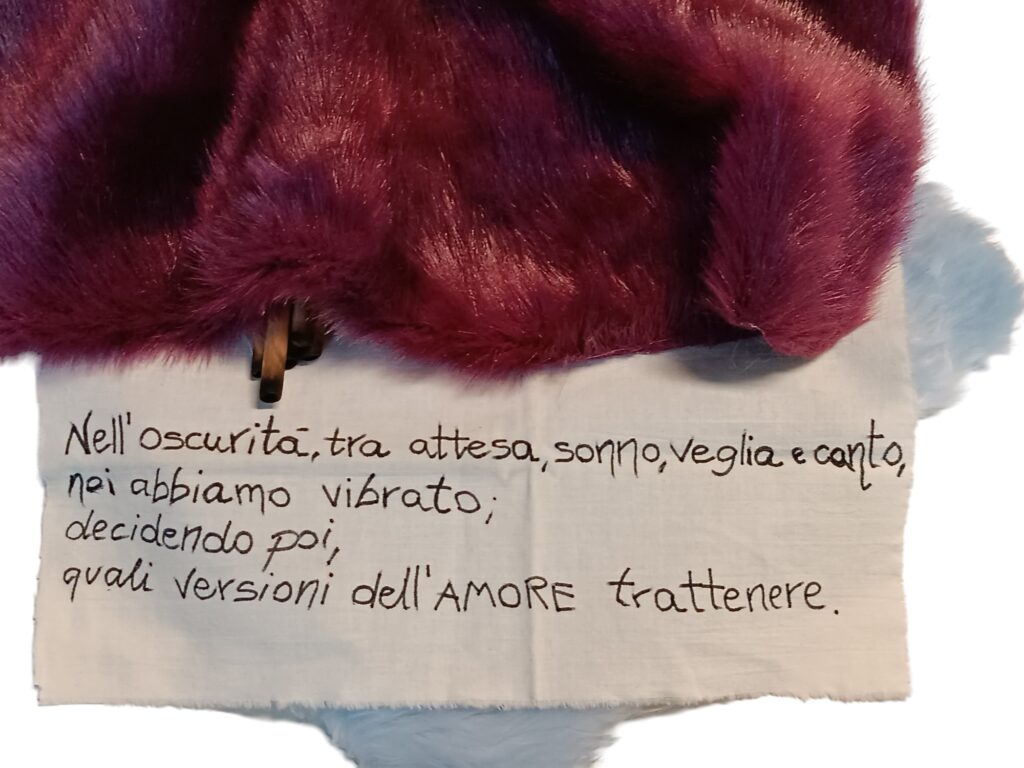
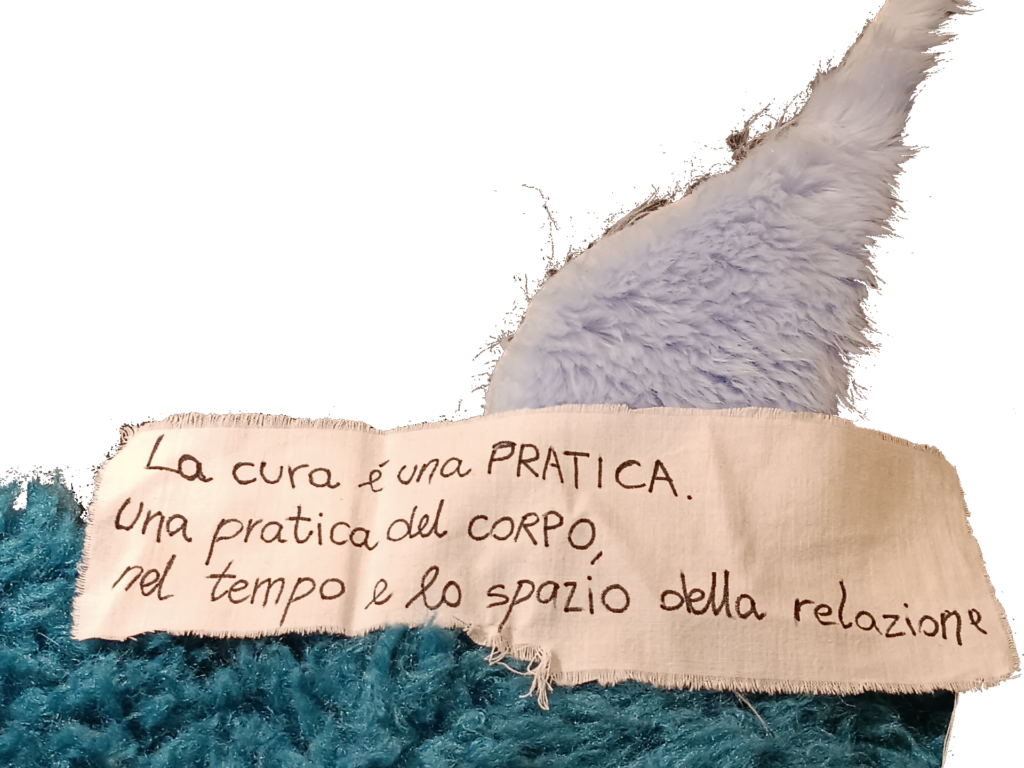
Questi frammenti nascono da un’operazione alchemica che fonde parole, sensazioni, riflessioni, memorie, di alcuni dei partecipanti alla Evening School on Care, un viaggio formativo sul tema della cura, attraverso pratiche, posture informali, orizzontali, trasmissione e costruzione di saperi a partire da esperienze e condivisioni collettive.
Cosa rimane di questa immersione sensuale, guidati da un immaginario notturno?
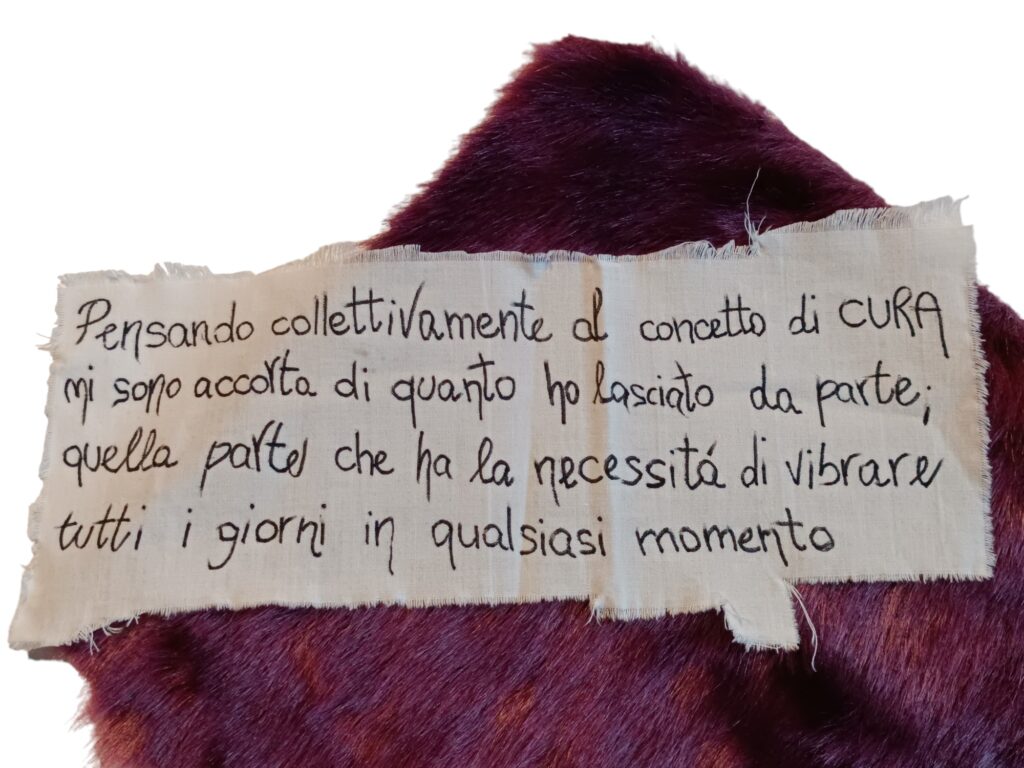
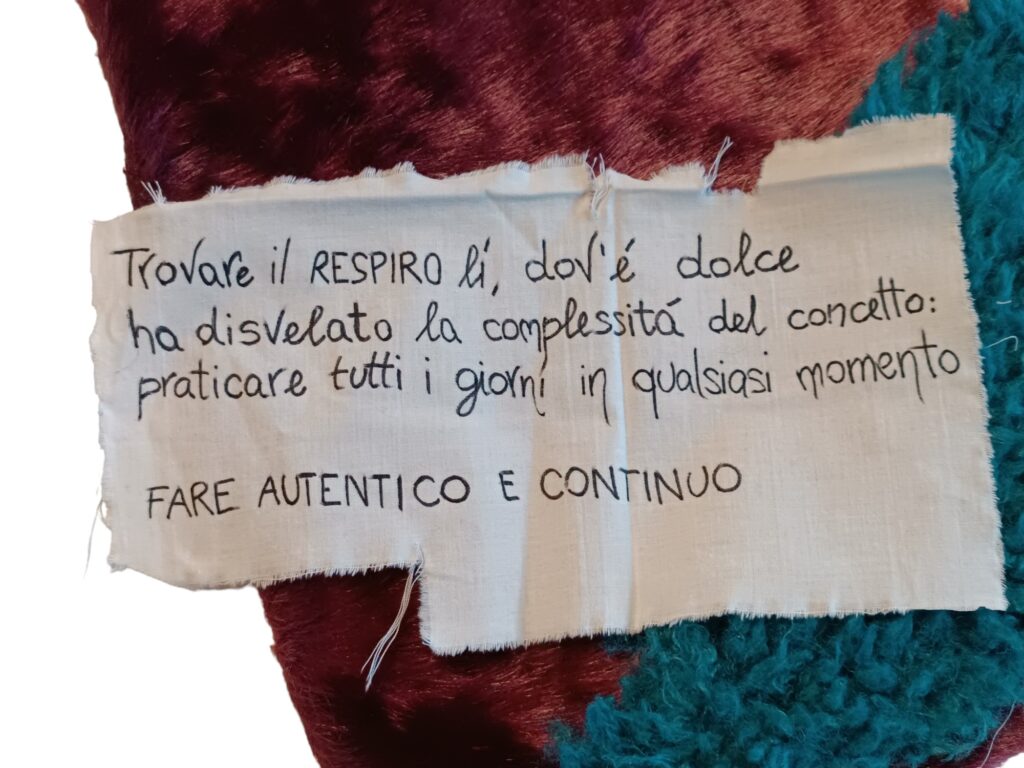
Con forza e semplicità, rimane l’affermazione della cura quale pratica da agire quotidianamente, che richiede sforzo, dolcezza, resistenza, luce, buio.
Ma cosa facciamo quotidianamente, per non cadere nell’incuria?
Come teniamo viva quella attenzione e vibrazione di cui abbiamo tanto bisogno?
Guidata da queste domande, ho pensato di proseguire il viaggio e realizzare 7 amuleti scaccia incuria.
Uno per ogni giorno della settimana.
Saranno 7 amuleti poetici, ognuno realizzato attorno a una parola.
Ne ho già in mente alcune, ma visto che stiamo pensando collettivamente al concetto di cura, ti chiedo, quali sono le tue parole che tengono viva la cura?
An assemblage of traces from the social dreaming practice from the workshop led by Edoardo Mozzanega and Chiara Prodi, artists in residency at Lavanderia a Vapore in September 2023 with the project Dream of a Tiger.
Social dreaming dates back to the 1980s when it was developed as a method of sharing dreams in social environments. Mozzanega and Prodi introduced an expanded version of the practice, inviting the participants to share stories, dreams and rumours in the present tense and first person, and with that, shaping a collective dream matrix of imagining, listening and resting together.
I ONCE KILLED AN ANIMAL
I ONCE FEARED TO BE KILLED BY AN ANIMAL
…were the themes.
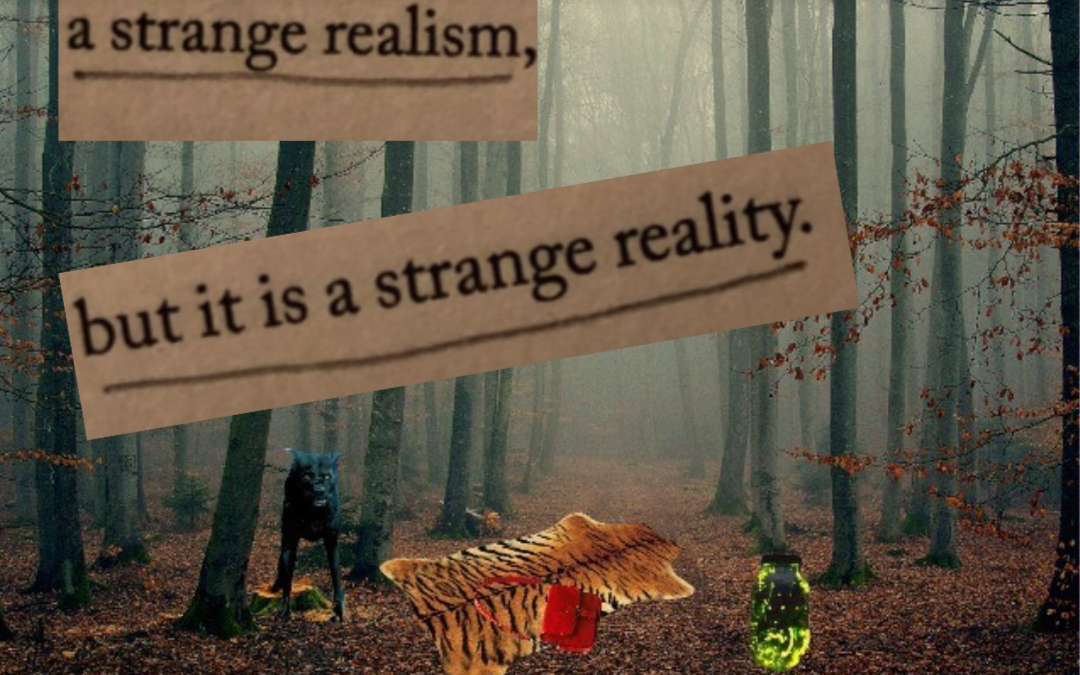
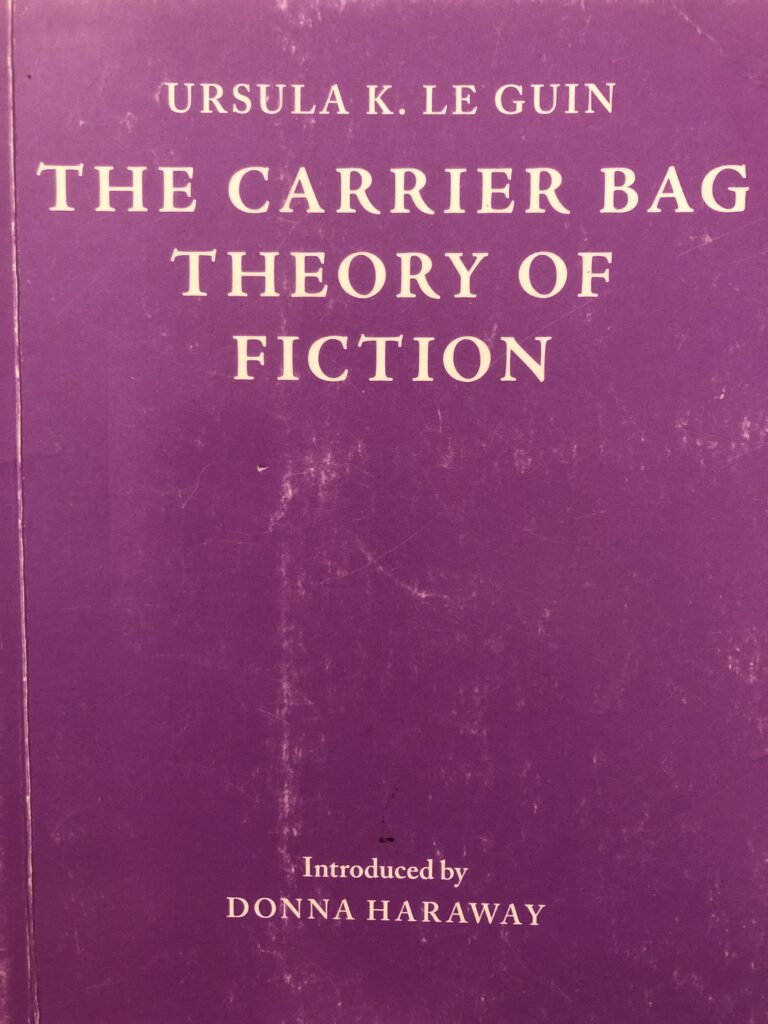
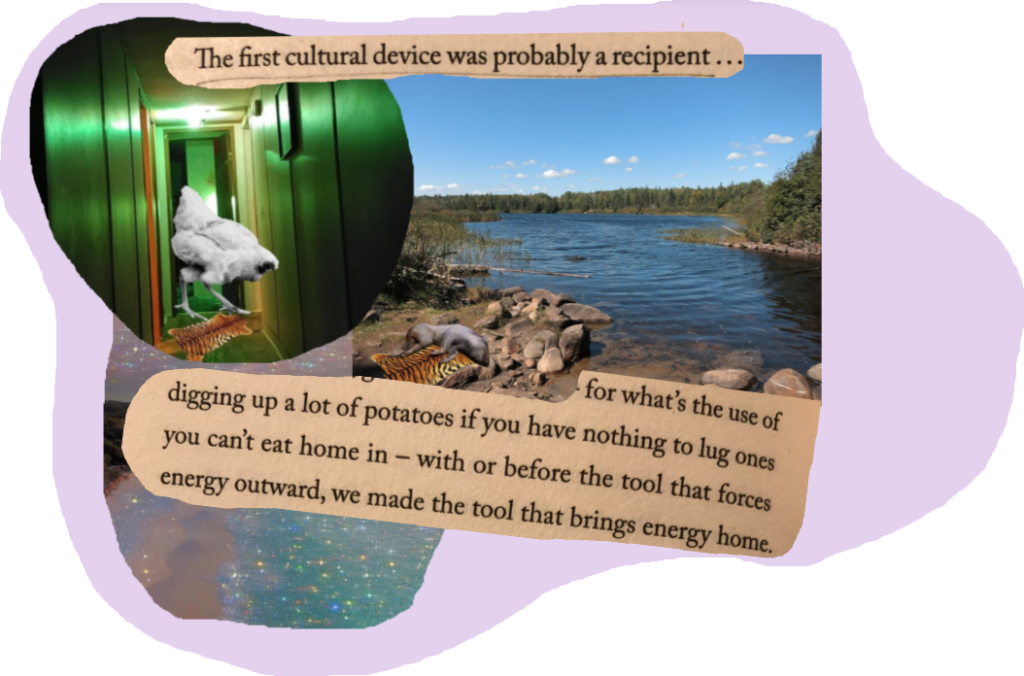
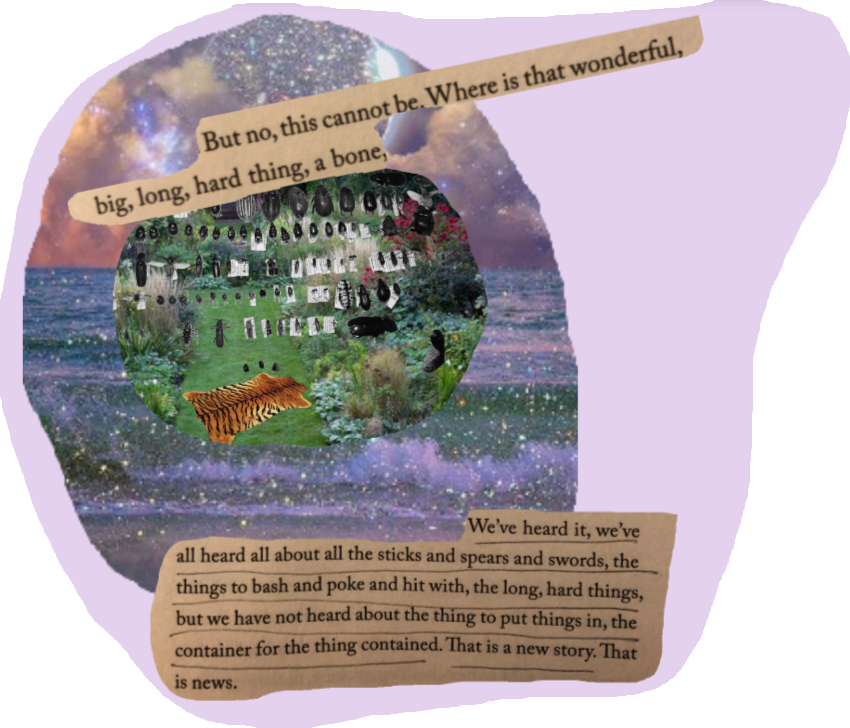
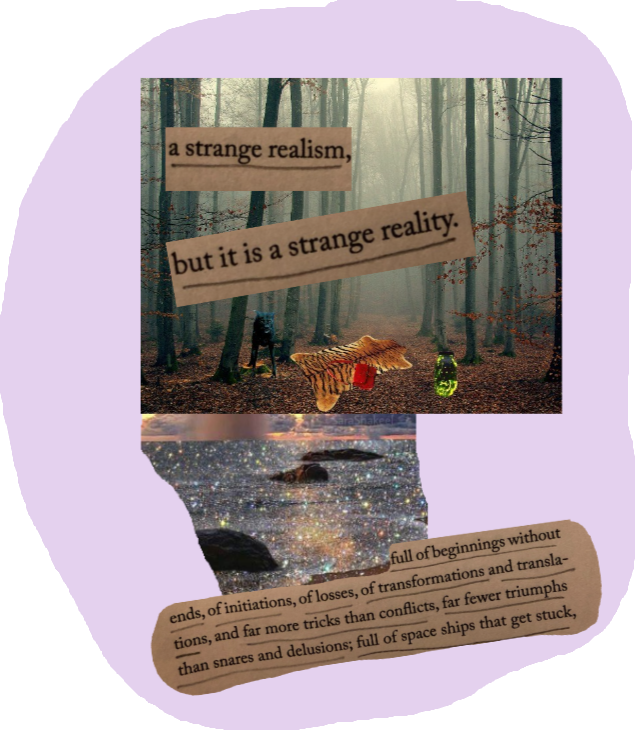
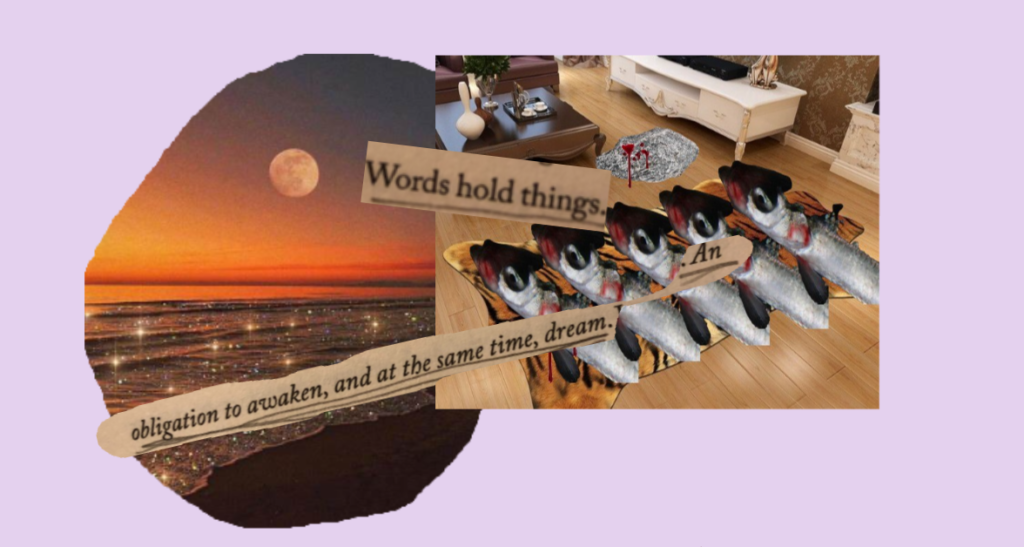
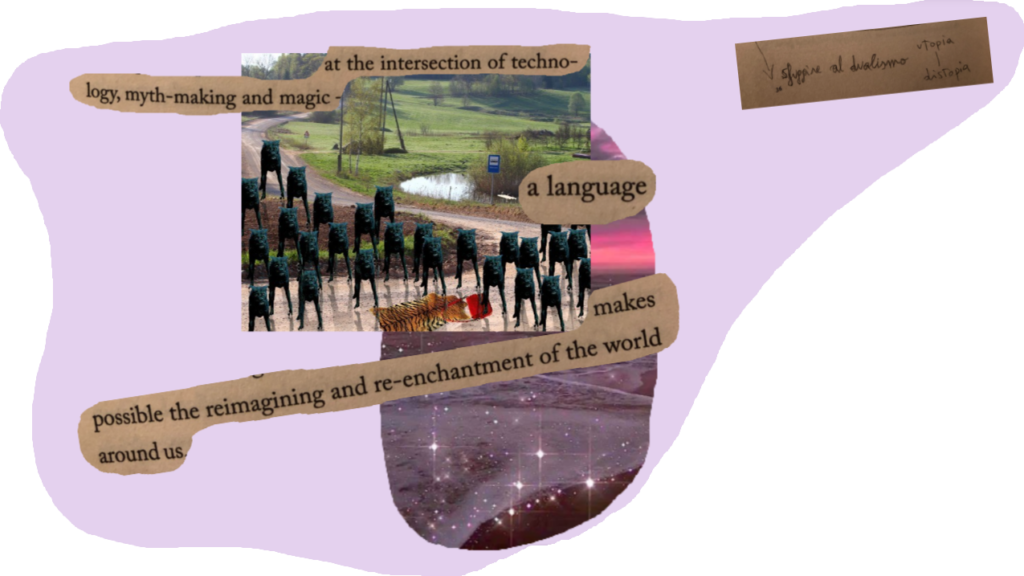
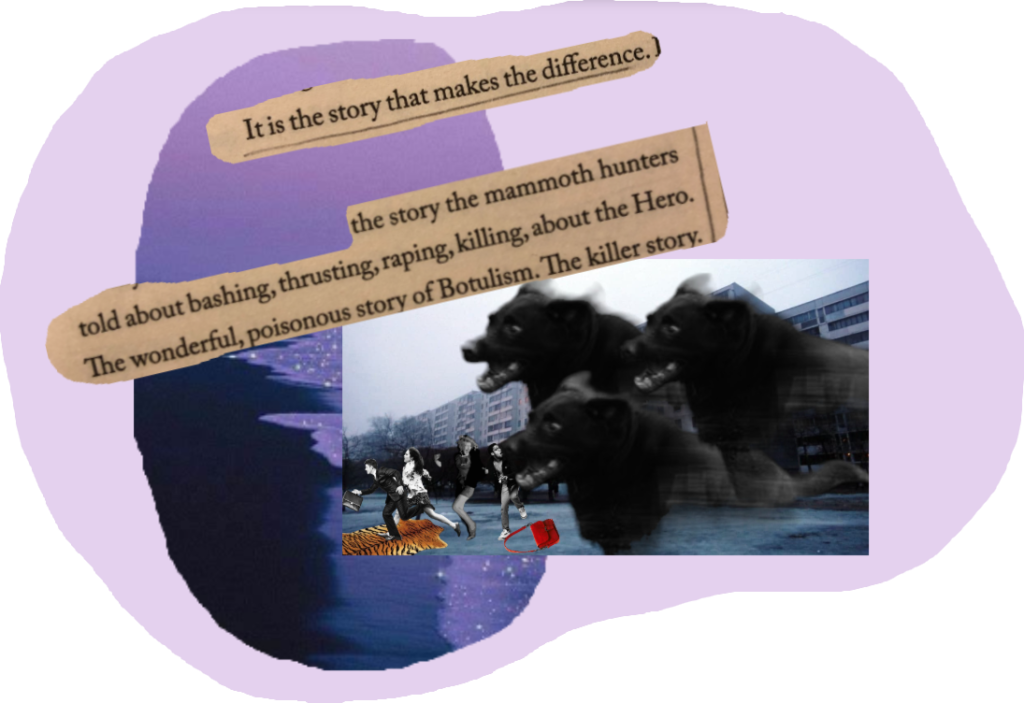
The following collages are composed of some of the recurring images from the collective dreaming. They take the contrast between the dreamy and the morbid as a starting point, visualizing a similarity between the tradition of how we culturally tell stories and how we regard animals. The text is underlined fragments from Ursula le Guin’s „My Carrier Bag Theory of Fiction“ that the artists had with them in the studio. It describes the function of an arrowlike narrative… a story arc as linear as the spear that killed the mammoth...
Podcast: parole e voce di Elena Pugliese, artista del TRA, tratto da Il viaggio del testimone, restituzione degli sharing di Tabula Rasa.
* la modalità di lavoro messa in gioco attinge a una ricerca avviata nel 2019, insieme al poeta Massimiliano Bardotti, relativa al dialogo tra danza e poesia e alle modalità di emersione della parola dal corpo, a partire da un macro-tema di ispirazione.
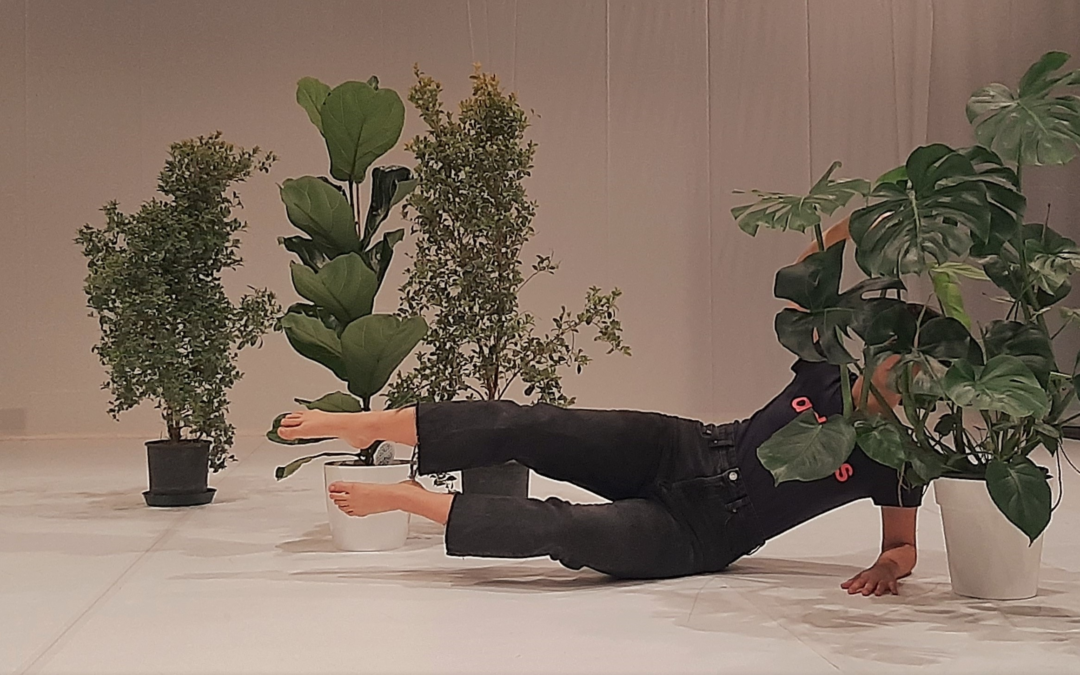
L’opera electrica /ecosi’stɛma/ – in residenza alla Lavanderia a Vapore fino allo scorso 22 febbraio – è un’indagine performativa sulla relazione fra tre universi: il vegetale, il tecnologico e l’umano. La fase di ricerca a Collegno di Flavia Zaganelli e Cecilia Stacchiotti (in arte Ceci Stuck) precede il debutto del lavoro, programmato per il 25 febbraio allo Spazio Kor di Asti, all’interno della stagione NODO PIANO curata da Chiara Bersani e Giulia Traversi. Lasciamo la parola alla danzatrice e alla compositrice elettronica per esplorare alcuni passaggi della creazione.
Da dove deriva la scelta di servirsi di un vasto immaginario vegetale? Quale funzione svolgono, in altri termini, le piante in questa vostra creazione?
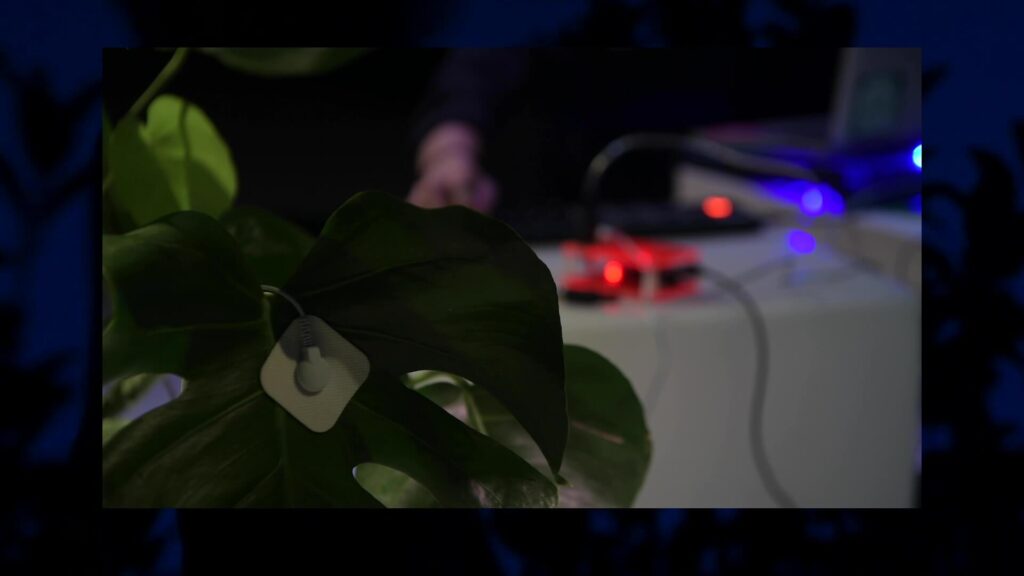
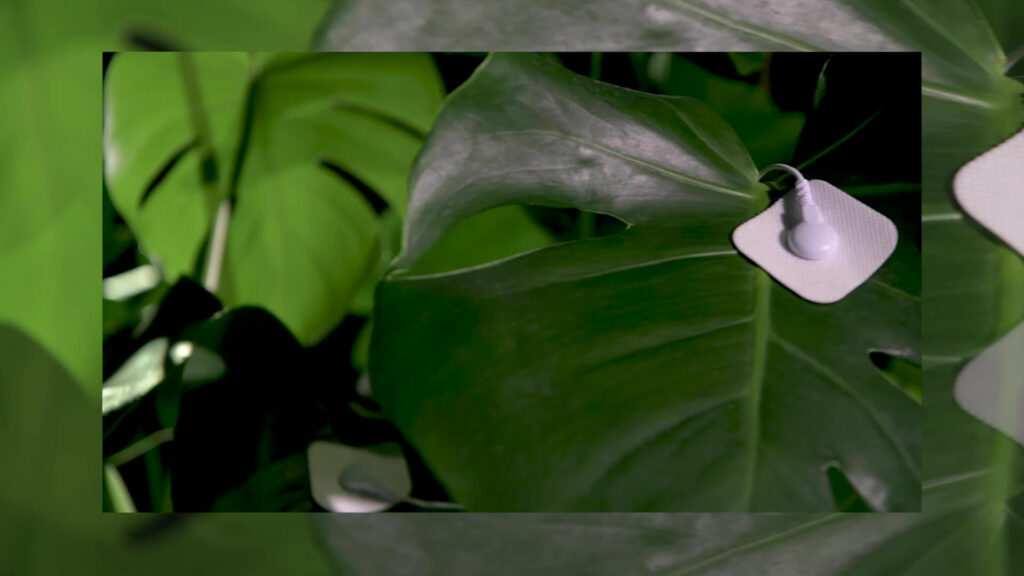
FLAVIA: La ricerca prende avvio proprio da una grande fascinazione per il mondo vegetale; un’attrazione sostenuta da letture approfondite, senza tuttavia una vera e propria competenza scientifica in materia. Il nostro interesse precipuo riguarda la creazione di una relazione a tre, tra corpo umano, elemento vegetale e dimensione tecnologica (vale a dire, tutto l’apparato che usa Cecilia per produrre suono a partire dagli impulsi elettrici sprigionati dalle piante). Le piante, dunque, giocano un ruolo di fondamentale importanza. Il tentativo è “stare” all’interno di un meccanismo di relazioni circolari, anziché piramidali: non vi è mai, insomma, un elemento che prevalga, sebbene – a seconda dei momenti – l’uno o l’altro sembri imporsi. Uno dei meccanismi principali del lavoro è l’utilizzo di un dispositivo, o meglio di un circuito arduino di biodata sonification chiamato Midi Sprout, che grazie a dei sensori apposti sulle foglie (simili a quelli utilizzati negli elettrocardiogrammi) recepisce il passaggio di corrente. La “pianta madre” è collegata alle altre due attraverso un filo di rame, che sbuca dal terreno della prima, compie un giro attorno alla seconda e si immerge infine nelle radici dell’ultima: questo percorso amplifica la trasduzione del passaggio di corrente, potenziando quello già esistente per natura. A livello coreografico, cerco di attivare una relazione anche con il corpo. Un corpo – ça va sans dire – il più possibile aperto, rilassato, fedele a quanto percepisco e sento nel preciso istante. Un corpo, insomma, che sta in ascolto, principalmente del sé. All’inizio della ricerca entravo in questo setting rimanendo molto fuori da me stessa, proiettandomi nell’ascolto del campo elettrico esterno. Pian piano però, lavorando su questo aspetto, mi è parso di capire che abbia ben più senso ascoltarsi, per potersi poi virtuosamente aprire alla relazione, di qualunque tipo essa sia. Il dialogo si sviluppa attraverso degli stati e dei gradi di pratica: il primo è il tentativo di aprire il corpo in una situazione di rilascio quasi meditativo. Dopodiché Cecilia si posiziona dietro il mixer e parte la musica. Io, nel frattempo, inizio a esplorare lo spazio, istituendo un dialogo che ha più a che vedere con la mimesi, intesa non tanto come imitazione della forma delle piante (operazione che risulterebbe, in effetti, piuttosto banale), bensì in quanto approccio, riflesso umano autentico. Capita spesso, infatti, pur non conoscendo una persona, di prenderne – quasi istintivamente – le forme, il modo di esprimersi, di gesticolare, di muoversi. Con il tempo ho iniziato ad accettare questa dinamica, sebbene la volessi eliminare in principio perché mi sembrava eccessiva, didascalica. Invece ora la sto assorbendo. Tornando ai momenti dello spettacolo, poco per volta entra – in maniera sempre più preponderante – il suono e quindi anche l’elemento elettrico prodotto dalle piante. Io continuo, attraverso il corpo, a rimanere in ascolto di tutto ciò che avviene a livello sonoro, visivo e fisico dentro di me. E si crea così un pattern, una sorta di 8 che descrivo danzando attorno alle piante. Ed è quello il vero momento di dialogo: lì resto nella mia condizione di movimento, ora spontanea, ora volitiva, ora morbida. Una duplice condizione di ricezione ed emissione.
Nella scheda artistica sono chiarite puntualmente le piante da utilizzare, che assurgono al rango di protagoniste nei crediti dello spettacolo.
FLAVIA: Esatto. Le piante richieste sono appunto queste [le indica sulla scena]. Poi, naturalmente, ogni volta presentano forme diverse, quindi muta anche la relazione che si va instaurare tra me e loro. A destra vedete la Monstera Deliciosa, che appartiene alla famiglia dei rododendri, le prime piante a essere utilizzate in esperimenti con sensori già dagli anni Cinquanta-Sessanta (erano quelli per brevettare le macchine della verità). Questo gruppo vegetale risponde molto bene agli stimoli perché possiede un fogliame molto largo; pertanto si osserva un copioso passaggio di energia, di elettricità, non troppo compressa come invece avviene nelle piante grasse. Sono insomma degli ottimi trasduttori. Per le altre due – il Ficus Lyrata e l’Eugenia Myrtifolia – il discorso è pressoché identico: anch’esse mostrano foglie abbondanti e assai resistenti. Sono tutte e tre – peraltro – piante da interno, abituate a quegli stress necessariamente subiti per via del trasferimento da un luogo all’altro. Sono tenaci, forti. La scelta dipende anche da ragioni di ordine estetico, legate al mercato delle piante. Il Ficus, l’Eugenia e la Monstera sono infatti piuttosto comuni da trovare in uffici e negozi, essendo piante d’arredo, molto gradevoli alla vista. Mi stuzzicava quindi l’idea di utilizzarle per sottolineare l’enorme carica vitale, spesso data per scontata, di soggetti comuni, visibili ovunque.
Passando invece al corpo sonoro?
CECILIA: Nel primo segmento dell’opera-installazione, il mio ruolo è mettere in risalto, in evidenza, attraverso il suono quell’energia che si genera nello spazio. Inizialmente è un piccolissimo microfono, una capsula, a realizzare tale obiettivo: lo muovo io un po’ nell’aria, mettendolo in risonanza. Attraverso degli altoparlanti si crea così un feedback, modulato all’occorrenza dal vivo. Questo già inizia a dar vita a una sorta di tensione. La pianta reagisce frattanto al suono, che la attiva, la mette in moto. Così come mette in moto anche Flavia, la quale comincia nell’ecosistema delimitato dai vasi. In origine avevamo assegnato dei suoni predeterminati a ciascuna pianta. Abbiamo poi virato su altre soluzioni: di fatto, diamo alla pianta la possibilità di scegliere, a seconda degli impulsi che emana, tra specifiche parti di file, che non sono altro che le registrazioni dal vivo realizzate sulla scena. In poche parole, è la pianta che “suona le parti che vuole suonare”. Ci sono poi passaggi in cui Flavia rivolge alla pianta delle parole tramite il microfono e la pianta – specularmente – decide come rileggerle. Nel finale, invece, il corpus vegetale suona un synth producendo una sonorità più violenta, in un crescendo, in una climax, in un’esplosione di elettricità.
Se ho ben capito, quindi, attraverso i sensori voi leggete gli impulsi elettrici che la pianta possiede e che vengono anche provocati da stimolazioni sonore o interazioni con il tuo corpo, giusto? Si crea così un dialogo, amplificato dai tre piani simultanei della composizione.
FLAVIA: Sì, a fungere da collante è il campo elettrico. Nella pianta, di suo, già scorre un’energia vitale, così come accade all’interno di ciascun corpo umano. Chiaramente in uno spazio fisico in cui si trovino delle persone – a maggior ragione se queste si muovono – si altera la carica energetica ed elettrica dell’ambiente, insieme a quella della pianta stessa. Quest’ultima diventa così un trasduttore, un trasmettitore, di quanto percepisco. Tanto più in un teatro, dove si attivano luci e molteplici fonti di calore.
Di conseguenza, a ogni “replica” lo spettacolo è diverso.
CECILIA: Esatto. Infatti la sfida grande di questo lavoro è il restare il più possibile sincere alla relazione che si instaura nel qui e nell’ora. Le piante infatti, da parte loro, rispondono in maniera sempre autentica e quindi imprevedibile.
electrica /ecosi’stɛma/ CORPO VEGETALE Monstera Deliciosa, Ficus Lyrata e Eugenia Myrtifolia CORPO TECNOLOGICO Sintetizzatore analogico, Biodata sonification Device, PC, Ableton Live CORPO UMANO FLAVIA ZAGANELLI // concept, ricerca, creazione, danza, voce CECILIA STACCHIOTTI // ricerca e suono FABRIZIO PIRO // disegno luci ELENA MATTIOLI – LELE MARCOJANNI // video electrica /ecosi’stɛma/ è stato ospitato in residenza da: Santarcangelo Festival, DAS Dispositivo Arti Sperimentali, Fienile Fluò con il sostegno di h(abita)t – Rete di Spazi per la Danza in collaborazione con Crexida, Paleotto11.NO TITLE nella versione EXPANDED ha vinto il Bando Abitante 2021 ed è stato ospitato in residenza da P.I.A. Palazzina Indiano Arte e Corniolo Art Platform, dando vita ad INVISIBILIA, progetto realizzato con il sostegno di Centro Nazionale di Produzione della Danza Virgilio Sieni e di Fondazione CR Firenze